Going from 60 to 90g/h of Carbs Without Stomach Issues — Remco Evenepoel’s Method
You know the feeling: mid-race, stomach rebelling, the thought of another gel making you want to pull over. It’s not weakness, and it’s not a bad product. It’s a gut capacity problem — and like every other physical capacity, it can be trained. Going from 60 to 90g of carbohydrates per hour without triggering digestive distress is one of the most underestimated performance gains in endurance sport. The method to get there is now well-documented, both in research labs and at the very top of professional cycling.
Why Your Gut Hits a Wall at 60g/h
The small intestine uses two main transporters to absorb carbohydrates during exercise: SGLT1, which handles glucose, and GLUT5, which handles fructose. The issue is that SGLT1 saturates quickly — around 60g/h — when it hasn’t been specifically trained. Beyond that threshold, unabsorbed carbohydrates sit in the digestive tract, ferment, and produce the familiar symptoms: bloating, nausea, cramping, and GI distress mid-race. This isn’t your body rejecting the effort — it’s your gut never having learned to work at that load. The good news: like your muscles, your intestinal transporters adapt to training stress. This is what Jeukendrup (2017) demonstrates in his landmark review published in Sports Medicine: consistent, progressive exposure to high carbohydrate intake during exercise increases the activity and density of SGLT1 transporters, directly improving intestinal absorption capacity (DOI: 10.1007/s40279-017-0690-6).
Planning Your Fuelling, Gel by Gel: What Ograal Does for You
Progressively increasing your carb intake is a great goal — but you still need to know what to take, when, and in what proportions, based on the exact duration of your session. That’s exactly where Ograal’s “Fuelling During Exercise” feature comes in: the app maps out your intake gel by gel, drink by drink, accounting for your session length, your current digestive tolerance, and your progression targets. No more guessing mid-effort — the plan is locked in before you clip into your pedals. Start building your fuelling plan at ograal.app.
The Science of Gut Training: What the Studies Show
Gut training is now an established practice in elite sports nutrition, and the data backing it up is striking.
Martinez et al. (2025), in the International Journal of Sport Nutrition and Exercise Metabolism, showed that a repetitive feeding-challenge protocol — deliberately exposing athletes to high carbohydrate loads during training — reduced GI symptoms by 27 to 38% in just 7 days (DOI: 10.1123/ijsnem.2024-0145). One targeted week of practice can already produce a meaningful reduction in digestive discomfort.
Even more compelling, Mika et al. (2023) documented an average 47% reduction in digestive discomfort after two weeks of structured gut training in endurance athletes — using sessions specifically designed to challenge intestinal tolerance (DOI: 10.1007/s40279-023-01841-0). The adaptation is fast, measurable, and accessible regardless of your level.
To go deeper on the mechanisms behind gut training and why transporter density is central to the process, read our full guide on gut training for 90g of carbs per hour.
The Gradual Progression Model: Evenepoel as Proof of Concept
The most compelling real-world evidence comes from the Red Bull-Bora-Hansgrohe team and its leading rider, Remco Evenepoel — triple world champion (2023, 2024, 2025), double Olympic champion at Paris 2024, and current world number one. With the Tour de France 2026 in his sights, the team is applying a structured gut training strategy under the direction of head performance nutritionist Stephen Smith.
The approach is methodical: during training sessions, carbohydrate intake is increased gradually to condition the gut to handle higher loads. Smith has explained that the goal is to increase the activity and expression of transport proteins in the GI tract — particularly SGLT1 — by regularly exposing the digestive system to progressively larger amounts of carbohydrates, without ever exceeding the discomfort threshold that would compromise the session. As Cycling News reported, this approach reflects where elite sports nutrition stands today: the gut is treated as a trainable organ, and nothing is left to chance.
The takeaway: progression is everything. There’s no jumping from 60 to 90g/h overnight. It’s a planned, incremental increase, session by session, at a pace your digestive system can follow.
How to Progress in Practice: A Step-by-Step Method
Here are the operational principles of gut training, applicable to any endurance sport — cycling, triathlon, trail running, or marathon:
Find your current tolerance threshold. What’s the highest carb intake per hour you can manage with zero discomfort? That’s your starting point — not anyone else’s.
Add load gradually. Increase your intake by 5 to 10g/h every one to two weeks of targeted training, during long rides or moderate-intensity sessions.
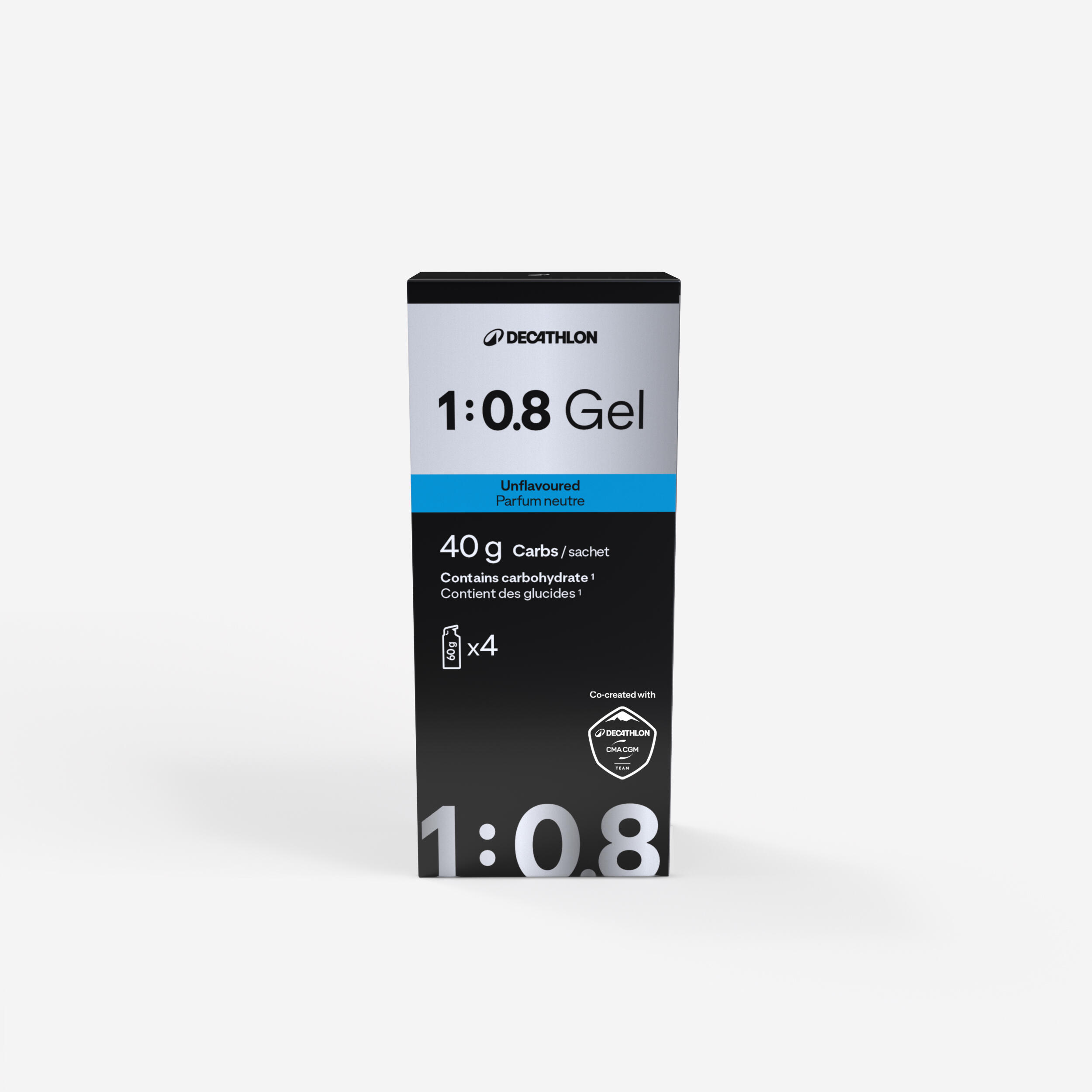
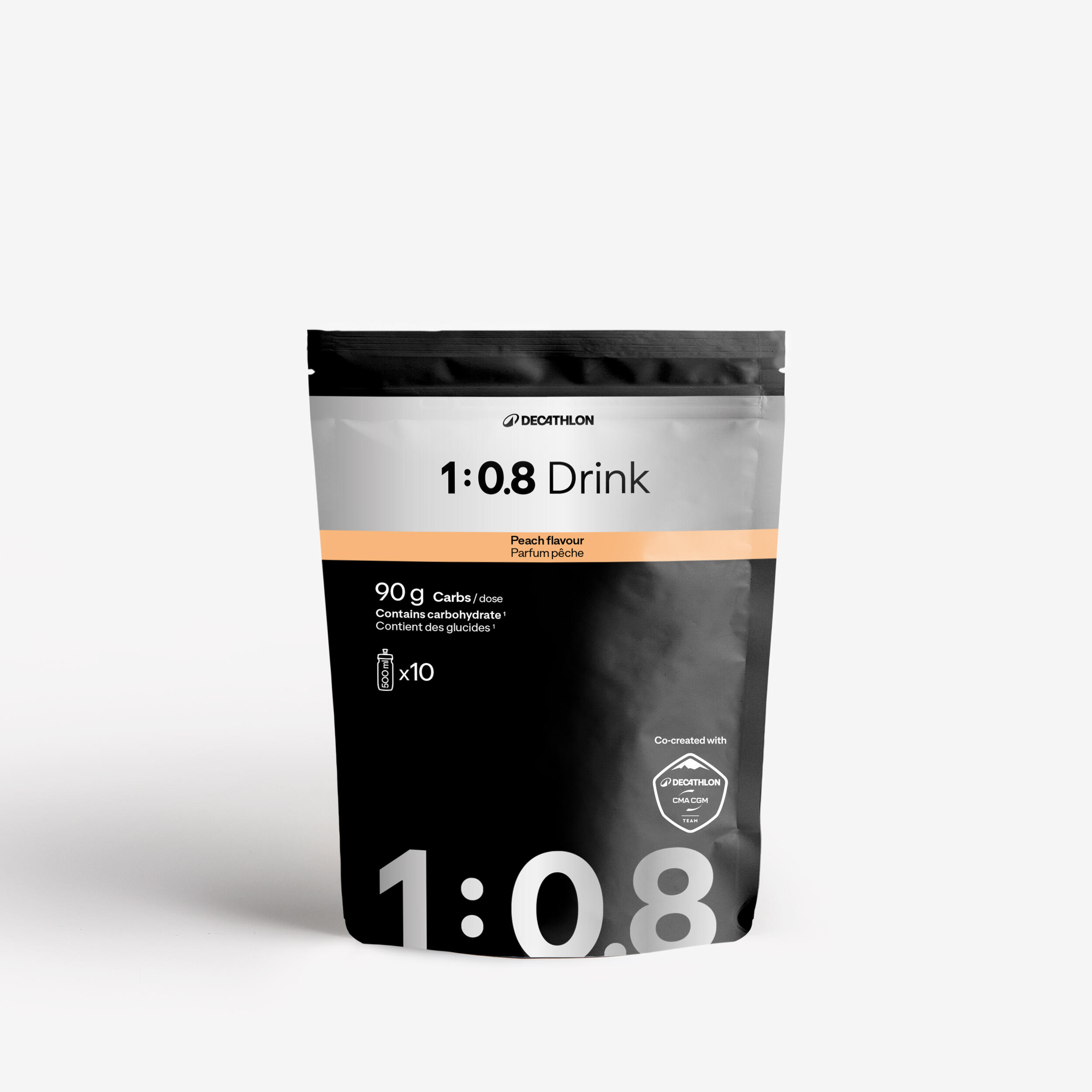
Work the glucose:fructose ratio. To go beyond 60g/h, you need both transporters active. Aim for a 2:1 ratio (glucose:fructose) — which is what most “dual-source” gels and sports drinks provide.
Train while fuelling at race pace. The adaptation is exercise-specific: you need to eat during exertion to train the gut in the state it needs to perform. Fuelling while stationary doesn’t produce the same stimulus.
Stay well-hydrated. SGLT1 functions more effectively when you’re adequately hydrated. Even mild dehydration slows gastric transit and amplifies discomfort.
Don’t gut-train near races. Feeding-challenge sessions belong in training blocks, not in the days before a competition.
If you regularly experience stomach issues from gels during races, also check our guide on stomach issues from gels in marathon racing and how to solve them — it covers product selection and intake timing in more detail.
The Role of Timing and Carbohydrate Form
Not all carbohydrate sources are equally well tolerated during exercise. A few key points:
Concentrated gels should always be taken with water — consumed alone, their high osmolarity can worsen GI symptoms significantly.
Isotonic drinks are often better tolerated early in a session, when the digestive system is still fresh.
Intake frequency matters as much as total quantity. Small, frequent doses (every 20–30 minutes) are generally better tolerated than one large intake per hour.
Avoid large amounts of fiber, fat, and protein during long efforts — they slow gastric emptying and increase the risk of reflux or cramping.
For long-distance cycling specifically, fuelling constraints differ from running: you can carry more, eat while pedalling, and suffer less mechanical impact on the gut. Our article on fuelling strategies for long-distance cycling covers the specifics of that context.
Gut Training vs. Race Day: Two Distinct Logics
There’s a common confusion between what you do in training to build gut tolerance, and what you do on race day to perform. These are two distinct phases:
In training (gut training phase): you deliberately expose yourself to higher carbohydrate loads to trigger adaptation. A degree of mild discomfort is expected — and that’s the point. It’s training stimulus.
On race day: you use the tolerance you’ve built. Your fuelling plan is tested, familiar, and locked in. No surprises.
The golden rule of race-day fuelling: never try anything new on race day. Everything you use in competition must have been validated in training first.
Summary: Steps to Go from 60 to 90g/h
Identify your current discomfort-free tolerance threshold
Increase in 5–10g/h increments every 1–2 weeks
Use dual-source carbohydrate products (glucose + fructose, 2:1 ratio)
Practice fuelling during exercise, at the right intensity
Hydrate adequately with every intake
Keep tested, validated products for competition only
Let Ograal plan the progression and map out each session’s intake
The gut is a trainable organ. What Remco Evenepoel and the world’s top endurance athletes do with their nutrition teams, you can replicate at your own level — progressively, intelligently, and with a structure that works. The science is clear: within a few weeks of well-executed gut training, you can meaningfully increase your digestive tolerance and line up on race day with a reliable 90g/h fuelling plan you can actually execute.
Ready to build your progression? Get started on ograal.app
Sources
Jeukendrup, A. E. (2017). Training the Gut for Athletes. Sports Medicine, 47(Suppl 1), 101–110. DOI: 10.1007/s40279-017-0690-6
Martinez, I. G., et al. (2025). Repetitive Feeding-Challenge Protocol Reduces Gastrointestinal Symptoms in Endurance Athletes. International Journal of Sport Nutrition and Exercise Metabolism. DOI: 10.1123/ijsnem.2024-0145
Mika, A., et al. (2023). The Effect of Gut-Training on Gastrointestinal Symptoms and Discomfort in Athletes. Sports Medicine. DOI: 10.1007/s40279-023-01841-0
Witts, J. (2025, November). From pistolets to performance gains: Inside Remco Evenepoel and Red Bull-Bora-Hansgrohe’s fuelling strategy. Cycling News. cyclingnews.com