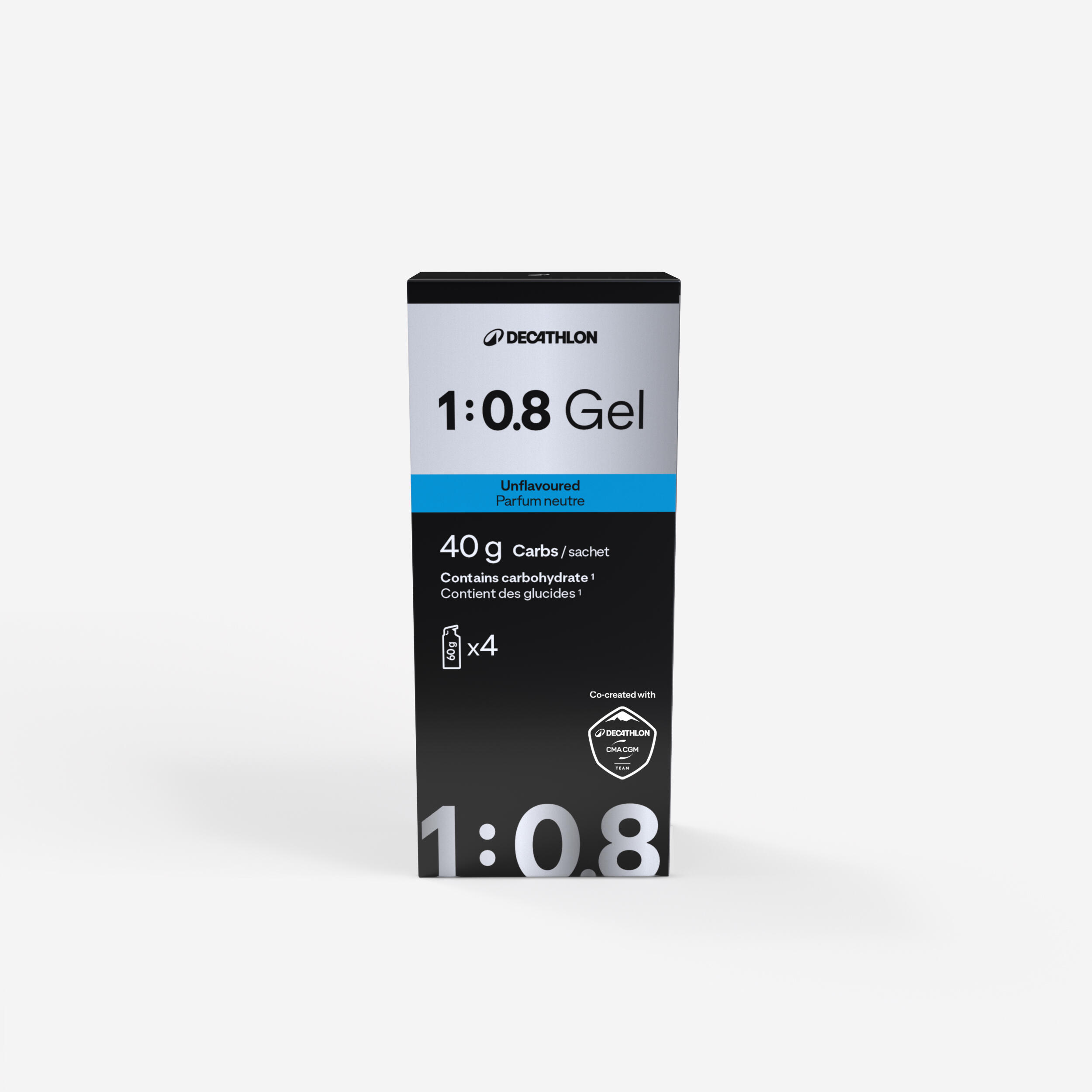
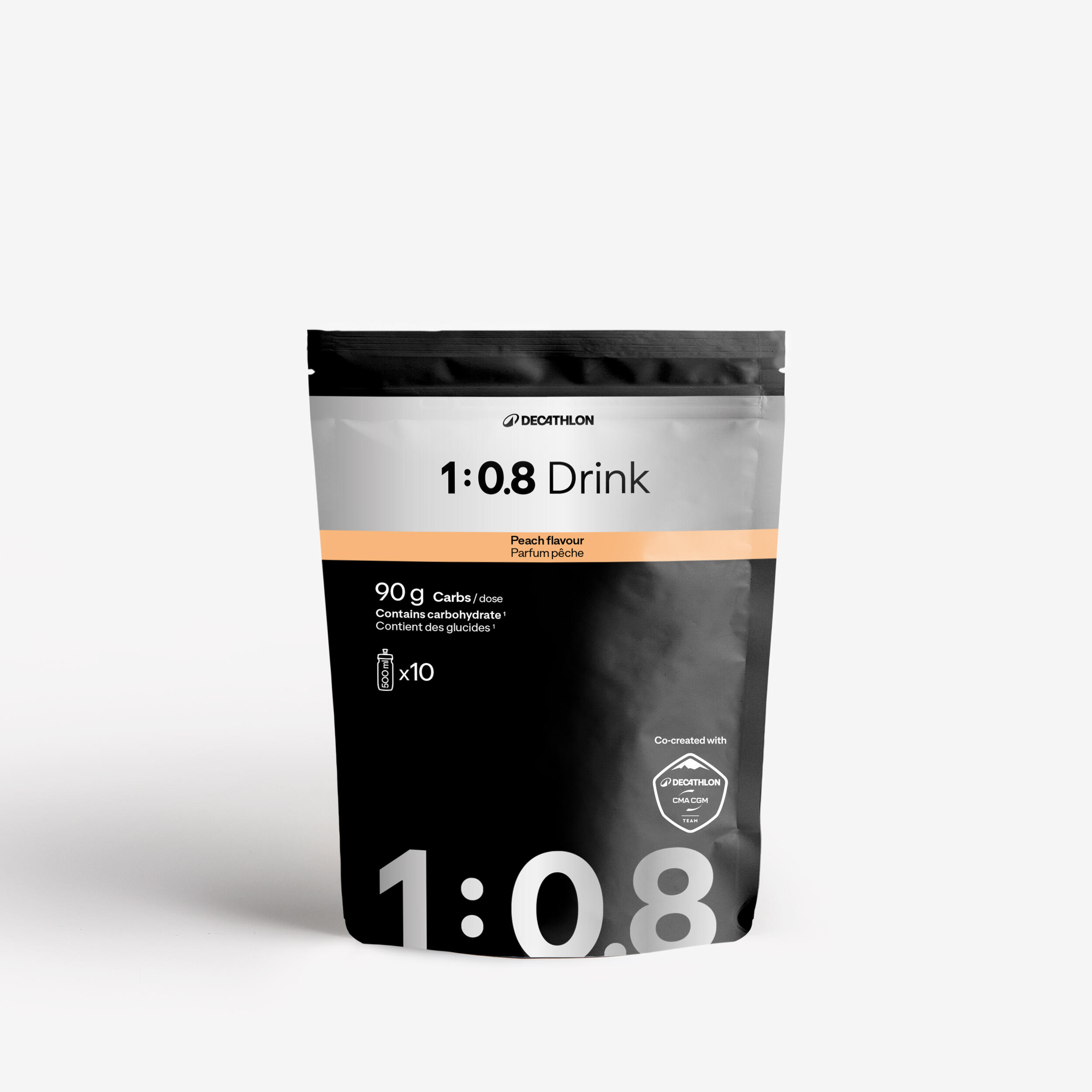
You’re chasing an ambitious goal — a sub-4-hour marathon, a gran fondo, an ultra-trail — and you’ve heard about hitting 90g of carbs per hour. On paper, the idea is appealing: more fuel = more energy = better performance. But the first time you try to take gel after gel without having prepared your gut, the digestive disaster is guaranteed.
The good news: your gut adapts, just like your legs. All it takes is a progressive plan, consistency, and an understanding of what’s happening in your intestinal cells. I’m Ingrid, a sports dietitian specializing in endurance, and I’m going to guide you step by step.
Why Your Gut Needs Training Just Like Your Legs
When you go from 0 to 60 km/week of running, you don’t do it in a weekend. You increase the load progressively so your tendons, muscles, and cardiovascular system can adapt. Your gut follows exactly the same principle.
During prolonged exercise, blood flow shifts massively toward the active muscles and skin. The intestine is temporarily left in a state of partial ischemia. The intestinal lining becomes more permeable, motility slows, and tolerance to solid and liquid intake decreases. If you suddenly present 90g of carbs per hour to a gut that isn’t used to it, the result is predictable: nausea, bloating, cramps, and a desperate sprint to the nearest porta-potty on the course.
On the other hand, if you train it regularly — at least once a week on a long or intense session — you trigger real physiological adaptations: better gastric emptying, a mucosal lining more tolerant of volume, and above all an increase in the number of intestinal transporters available to absorb carbohydrates.
The Science: Intestinal Glucose and Fructose Transporters
To understand why 90g/h is achievable but not 90g of glucose alone, we need to look at the biochemistry of intestinal absorption — but I promise it’s accessible.
In the small intestine, simple carbohydrates cross the intestinal wall via specialized proteins called transporters:
- SGLT1 (sodium-glucose linked transporter 1): it absorbs glucose (and galactose) by coupling it to sodium. Its capacity is limited to approximately 60g of glucose per hour. Beyond this threshold, it saturates. The excess glucose stays in the intestinal lumen, draws in water through osmosis, and causes diarrhea and cramps.
- GLUT5: this transporter is specific to fructose. It takes a different pathway, independent of sodium, and can handle up to approximately 30g of fructose per hour. Since the two pathways are distinct, they work in parallel without competing.
The key to the 90g/h strategy is therefore to combine glucose (or maltodextrin, a glucose polymer) and fructose in a 2:1 ratio. For example, 60g of glucose/maltodextrin + 30g of fructose = 90g absorbed without saturating a single transporter. Studies published in the Journal of Physiology have shown that this mix achieves exogenous carbohydrate oxidation rates higher than those obtained with glucose alone, with fewer digestive issues.
And the good news is that these transporters up-regulate with practice. A daily diet higher in carbohydrates can, according to animal data extrapolated to humans, double the SGLT1 content in approximately two weeks. In humans, adaptations are real but likely require 6–10 weeks of regular nutritional training.
Weeks 1–2: Consolidate 60g/h (Build a Solid Base)
Before aiming higher, make sure 60g/h is well established and comfortable. This phase serves to anchor habits, test the products you’ll use in competition, and diagnose any intolerances already present at moderate doses.
Practical targets on your long runs:
- Start fueling within the first 15–20 minutes — don’t let hypoglycemia creep in
- Fraction your intake: every 20–25 minutes, consume a small amount rather than one large dose every 45 minutes
- Hydrate in parallel: without sufficient water, concentrated carbohydrates stagnate in the stomach and slow gastric emptying. Aim for a sip of water or isotonic drink with each intake
- Use the same product type (gel, drink, puree) that you plan to use on race day to test your actual tolerance
For long cycling rides, consistent distribution of intakes is particularly well documented. See the guide on long-ride cycling fueling for practical advice adapted to that discipline.
By the end of these two weeks, you should feel perfectly comfortable at 60g/h: no heaviness, no nausea, smooth digestion. That’s your baseline.
Week 3: Move Up to 70–75g/h (Introducing Fructose)
This is where the real progression begins. We introduce fructose to unlock the second transport pathway. In practice, this means switching to products that combine glucose/maltodextrin and fructose — dual-transporter gels, sports drinks formulated with sugar (sucrose = glucose + fructose), date-based bars.
Key points for this week:
- Increase progressively: aim for 10–15g/h more than your base, no more at once
- Some athletes are sensitive to large amounts of fructose even at rest. If you have a history of irritable bowel syndrome or poor FODMAP tolerance, introduce fructose even more slowly
- Continue fractionating intakes every 20 minutes
- Reserve this loading increase for long runs at moderate intensity — the stomach empties less efficiently at high intensity
In trail or mountain contexts, where fueling conditions differ (no easy access to bottles, technical terrain), introducing fructose requires additional planning. See our specific recommendations in our article on trail running nutrition for endurance.
By the end of week 3, you should have completed at least two sessions at 70–75g/h without notable discomfort.
Week 4: Target 90g/h (2:1 Glucose/Fructose Ratio)
The final week is the full-scale test week. You target the 2:1 glucose/fructose ratio, with 90g/h on a long run simulating your target race conditions.
How to structure a test session at 90g/h:
- Start fueling within the first 15 minutes
- Every 20 minutes, consume a portion providing approximately 30g of carbohydrates in 2:1 format
• Accompany each intake with 200–300 ml of water or a lightly isotonic drink. In hot conditions, increase this volume: hydration is critical for maintaining gastric emptying. The article on hydration in hot weather covers the mechanisms and adaptation strategies in detail.
- Note how you feel hour by hour: not just at the end, but throughout the effort
If you’re targeting a marathon, this plan prepares you to apply exactly this strategy on race day. You’ll find a complete planning example in the marathon 4h fueling plan with gels, with gel and drink distribution across the entire race.
An important clarification: 90g/h is not an absolute requirement for everyone. Lighter athletes, those operating at high intensity, or those with naturally lower digestive tolerance can perform very well at 75–80g/h. This plan gives you the tools to find your own optimum, not to reach an arbitrary number.
Warning Signs to Watch For Week After Week
Training your gut means progressing — but also listening. Here are the signs that you’ve moved too fast:
- Persistent nausea after exercise: a sign that the carbohydrate load exceeds your current absorption capacity
- Loose stools or diarrhea in the hours following training: high osmolarity in the colon indicates residual malabsorption. Step back one level
- Abdominal cramps during exercise: often linked to too fast an intake rate or insufficient hydration
- Reflux or a sensation of gastric bloating: gastric emptying is insufficient. Check your drink concentration and slow your intakes
- Loss of appetite and prolonged feeling of fullness: your stomach isn’t emptying fast enough. Reduce session intensity or amount per intake
If you regularly experience issues even at moderate doses, don’t push through alone. Stomach problems with gels are more common than people think and are often solvable with targeted adjustments. The article on stomach issues with gels covers the most frequent causes and practical solutions.
One often overlooked point: gut training doesn’t only happen during workouts. Slightly increasing your daily carbohydrate intake in the weeks before the digestive training phase can already up-regulate SGLT1 transporters and facilitate progression.
Ograal Plans Your Progression Automatically
Applying this 4-week plan rigorously requires tracking your intake, adjusting week by week based on your feedback, and adapting quantities to your body size, effort intensity, and session duration. It’s doable on your own, but significantly easier with a dedicated tool.
Ograal is the app that calculates your personalized fueling plan from your actual data: effort duration and intensity, performance goal, declared digestive tolerance, and your session history. It factors in the optimal glucose/fructose ratio, spacing of intakes, and associated fluid volumes — all adjusted automatically as you progress.
No more juggling spreadsheets and scientific papers. Ograal does the work; you focus on the effort.
Start building your progression toward 90g/h now: create your fueling plan on Ograal.
Training your gut is an act of trust in your own body. With gradual progression, the right carbohydrate combinations, and consistent week-by-week monitoring, the 90g/h barrier stops being a limit and becomes a resource. Your gut is ready to learn — just give it the time and the right signals.
— Ingrid Gallerini, Sports Dietitian