You’ve prepared well. You’ve done your long runs, followed the race day nutrition plan, read dozens of tips. And yet, at kilometer 25, the cramps hit. The gels won’t go down. Your stomach revolts. This is one of the most common problems in a marathon — and it’s often avoidable. Here are the 5 main causes and what you can do about them without scrapping your strategy.
1. Why Gels Cause Digestive Issues During a Race
During intense exercise, your body redirects blood flow to the active muscles and the heart. The digestive system is put into partial standby — a phenomenon known as splanchnic ischemia: the intestine receives less blood, therefore less oxygen, and its absorption capacity drops. If you send a concentrated gel into this environment, it simply may not be processed. The result: fermentation, cramps, nausea, or worse.
Gels aren’t inherently bad. The gut needs to be prepared, and the intake needs to be executed correctly.
2. Cause #1: Too Many Carbs at Once (Bad Timing)
One gel every 20–25 minutes is the standard cadence. But some runners wait too long between takes, then swallow two gels back-to-back to catch up. The intestine then receives too large a load in one go — more than it can efficiently absorb.
- Take your first gel within the first 30–35 minutes, without waiting for hunger
- Consistency beats intensity: small, frequent doses beat infrequent large ones
- If you miss a take, don’t double the next one
3. Cause #2: Not Enough Water to Dilute the Gel
This is the most underestimated cause. An energy gel is a hypertonic solution — its sugar concentration is higher than that of your blood. To be absorbed, it needs water for dilution. If you swallow a gel dry, without water, your intestine will first draw water from your body to dilute the solution — worsening dehydration AND slowing absorption. Hydration in hot weather is even more critical in this context.
- Swallow each gel with at least 150–200 ml of water
- Take the gel just before or at a water station
- Never mix a gel with an isotonic drink: double concentration = double risk
4. Cause #3: Too High a Concentration (Very Sweet Gels)
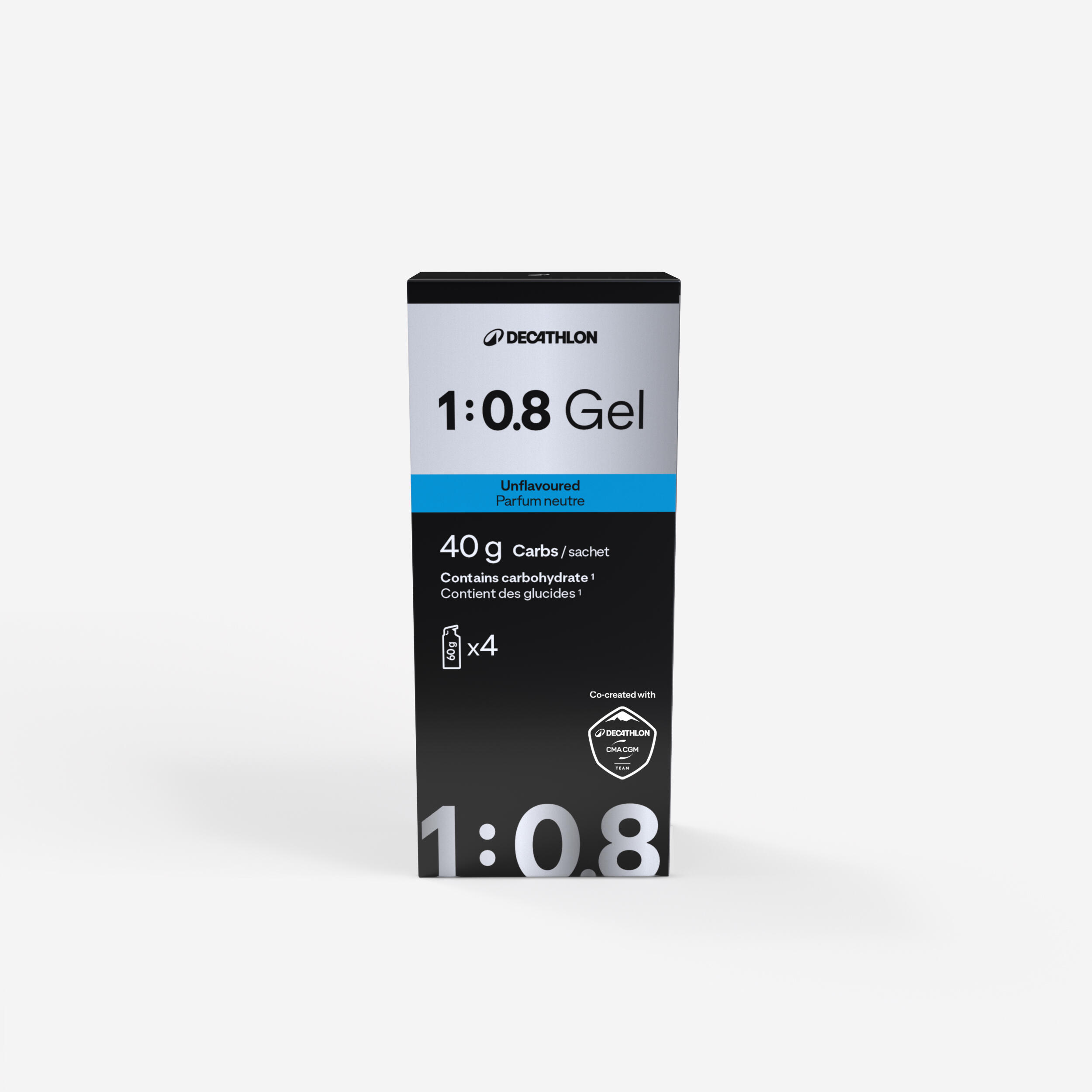
Not all gels are equal. Some are very carb-dense (30g+) with little water. Others are more fluid and easier to absorb. If your stomach is sensitive, prefer isotonic gels (which contain their own water), limit fructose-only gels, or opt for fruit puree pouches.
- Isotonic gels: more digestible, can be taken without extra water
- Fruit puree pouches: familiar texture, lower osmotic shock
- Ultra-concentrated caffeine gels: save for the final 10 km
5. Cause #4: Caffeine at the Wrong Moment
Caffeine stimulates intestinal motility. Useful for alertness, but it also speeds up transit. During a race, this can trigger urgent needs or cramps if taken too early or on an empty stomach. If you rely on caffeinated gels, keep them for the second half of the race and avoid them on an empty stomach.
6. Cause #5: An Untrained Gut
This is the root cause. The gut adapts to training, just like muscles. If you’ve never taken gels during your long training runs, your gut won’t be ready on race day. The marathon week meal plan primes glycogen stores, but gut training happens over weeks of regular long runs with gel intake.
- Start practicing with gels on runs of 90 minutes or longer
- Begin with half-gels to progressively habituate your gut
- Note what works and what causes discomfort
7. 3 Alternative Strategies When Gels Stop Working
If during the race you feel gels are no longer going down, here are 3 alternatives inspired by the Paris Marathon 2026 fueling and enriched aid station races:
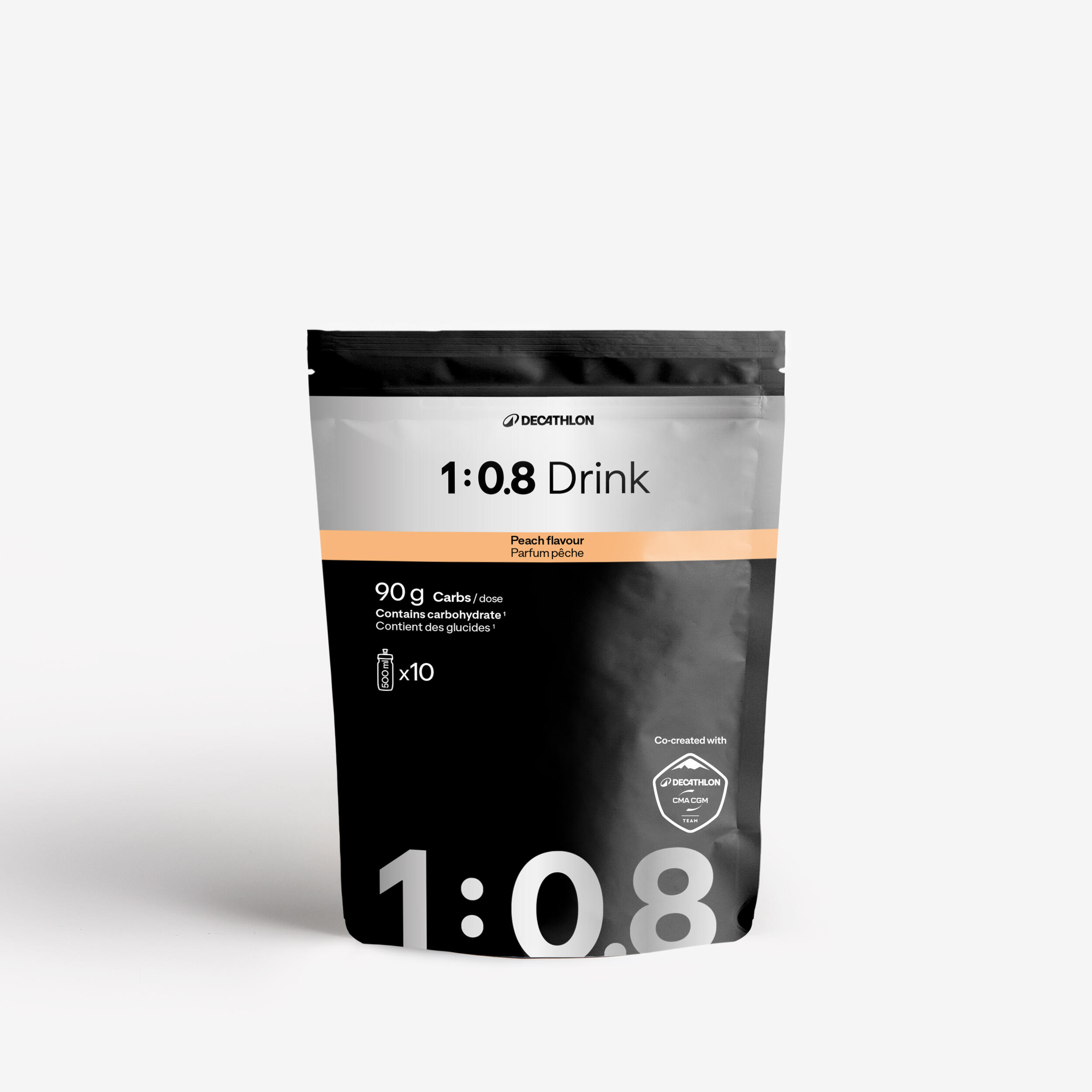
Option 1 — Switch to liquids: isotonic drink at aid stations, in small sips every 5 minutes rather than one large gulp. Lower concentration, easier absorption.
Option 2 — Fruit puree or compote: softer texture, moderate glycemic concentration, usually better tolerated. Alternate with gels.
Option 3 — Reduce dose, increase frequency: half a gel every 15 minutes beats a full gel every 30 minutes when your stomach is struggling.
For more on endurance trail nutrition with a sensitive stomach: trail running nutrition for endurance.
8. Ograal Adapts Your Fueling Plan to Your Gut
Every athlete has a different digestive system. Ograal lets you input your digestive tolerance and generates a fractionated fueling plan (intakes + reminders) tailored to your race duration and sensitivity level. No more trial-and-error on race day — you arrive with a plan tested and validated in training. Access Ograal and set up your profile today.
— Ingrid Gallerini, Sports Dietitian