Jonas Vingegaard just won the 2026 Giro d’Italia with five stage victories — and he’s heading into the Tour de France 2026 (Grand Départ in Barcelona, July 4) as one of the top favourites for a historic Giro-Tour double. Managing two Grand Tours in a single season demands near-surgical precision in carbohydrate loading. A landmark review published in February 2026 in the Journal of Nutrition by Morton et al. (Universities of Liverpool, Bath, Birmingham, and Exeter) reframes what we thought we knew — and changes what you should do on D-2 and D-1 before your next race.
Definition: Carbohydrate loading (carb loading) is a nutritional strategy that involves dramatically increasing carbohydrate intake in the 36 to 48 hours before a prolonged endurance event, in order to elevate muscle and liver glycogen stores above baseline — ideally reaching 180–200 mmol/kg wet weight — and thereby delay the onset of fatigue during competition.
Ograal’s Carbohydrate Supercompensation module gives you a visual glycogen tracker (baseline → minimum → supercompensation), daily carb targets for D-3/D-2/D-1, and real-time intake monitoring. Access your free carb loading plan on Ograal.
Why Does Carbohydrate Loading Improve Endurance Performance by Up to 20%?
The direct answer lies in a single mechanism: the higher your muscle glycogen at the start, the longer it takes to reach the critical depletion threshold. During efforts exceeding 90 minutes, fatigue consistently coincides with glycogen falling below approximately 25 mmol/kg wet weight. Hawley et al. (1997, Sports Medicine, DOI: 10.2165/00007256-199724020-00001) showed that elevating pre-exercise glycogen postpones exhaustion by roughly 20% in events lasting more than 90 minutes. For a trail runner covering a 3-hour course, that could mean 35–40 extra minutes before hitting the wall.
The 2026 review by Morton et al. (Journal of Nutrition, DOI: 10.1016/j.tjnut.2026.101442) underscores that liver glycogen — often overlooked — is the primary regulator of blood glucose during prolonged exercise. Without a full liver reserve, hypoglycaemia strikes even when muscle glycogen remains adequate. This is why D-2 meals must be spread across the full day, not front-loaded into a single large dinner the night before.
Internal link: Going from 60 to 90g carbs per hour without stomach issues
36–48 Hours, No Depletion: The Research Since Bussau et al. (2002)
For decades, the classic protocol required a 3–4 day depletion phase before loading. This Sherman-Costill model has since been abandoned. The pivotal study is Bussau et al. (2002, European Journal of Applied Physiology, DOI: 10.1007/s00421-002-0621-5): seven trained athletes reached supranormal levels (198 ± 13 mmol/kg wet weight) within just 24 hours, with no prior depletion. Confirmed by Burke et al. (2011, Journal of Sports Sciences, DOI: 10.1080/02640414.2011.585473): in trained athletes, 36–48 h at 10–12 g/kg/day is sufficient, provided training volume is reduced.
What this means in practice: if your marathon or trail race starts on Sunday morning, begin loading on Friday morning — not Saturday evening. Starting too late is the single most common mistake. The D-2 window is at least as critical as D-1. A short high-intensity activation session on Thursday evening upregulates glycogen synthase and further accelerates resynthesis.
Internal link: Trail running in summer heat: how to adapt your carb fueling strategy
D-3 to Race Morning Protocol: Doses and Foods at Each Stage
Recommended product
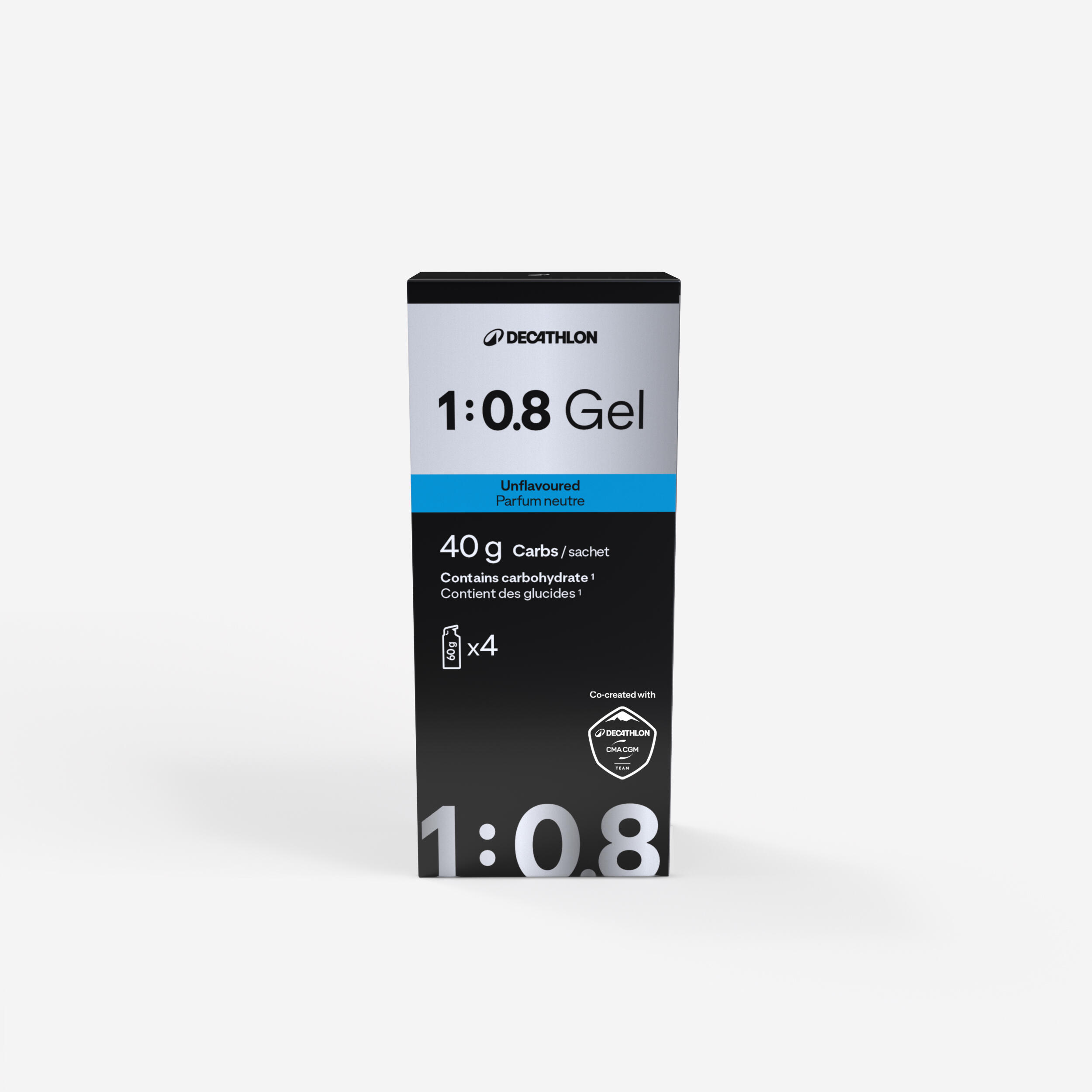
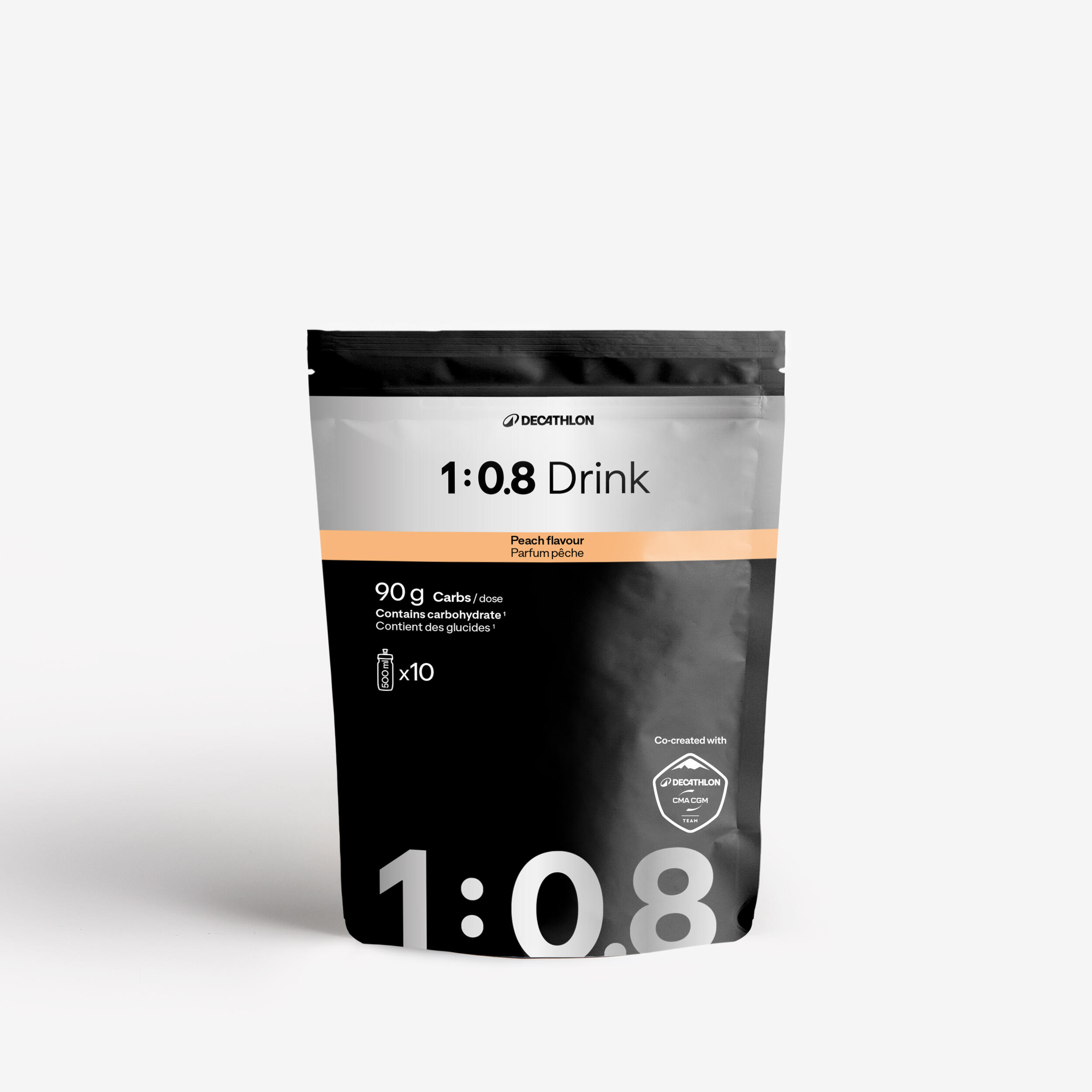
To hit 10–12 g/kg/day of carbohydrates on D-1 without overloading your digestive system, the Decathlon Race Pack — 4 energy gels + 6 maltodextrin recharge drinks offers a practical, precisely dosed solution. High-GI maltodextrin lets you stack carbohydrate intake with minimal food volume and easier digestion — ideal for the 48-hour loading window before your race. View the Decathlon Race Pack gels + maltodextrin
Vingegaard and the Giro-Tour Double: Carbohydrate Management Across Two Grand Tours
Jonas Vingegaard (Visma–Lease a Bike), a two-time Tour de France champion (2022, 2023) and now 2026 Giro d’Italia winner, arrives at the Tour de France 2026 as one of the clear favourites. He won five stages at the Giro and described entering the race with his best preparation since 2023 — and as he has long noted, when he does two Grand Tours in the same season, the second one is where he performs better, according to the CyclingNews Tour de France 2026 preview.
For a Giro-Tour double, glycogen management between the two races is as critical as during competition. Pro riders at Visma–Lease a Bike follow structured carbohydrate restoration protocols in the 72 hours after each Grand Tour — with intakes reaching 8–10 g/kg/day — before transitioning into recovery. This aligns precisely with Morton et al. (2026) recommendations on post-prolonged-competition glycogen restoration.
The priority order is first restoration of depleted stores, then supercompensation ahead of the next target. Science et Vie highlighted this challenge in a May 2026 feature on elite athletes pushing in-race carb intake beyond the 90 g/h ceiling (Science et Vie, May 2026).
Conclusion
Carbohydrate loading is no longer a protocol reserved for professionals — it’s a science-backed, accessible strategy for any endurance athlete preparing for a marathon, trail, or gran fondo. The 2026 message is clear: 36 to 48 hours at 8–12 g/kg/day is enough, with no depletion phase, using high-GI carbohydrate sources. Start on D-2, not just D-1. Spread your intake across the full day. Use liquid formats like maltodextrin to hit the target doses without digestive discomfort.
Build your personalised carb loading plan on Ograal — free access
Frequently Asked Questions
How many grams of carbohydrates per day do you need for effective carb loading before a marathon?
The validated recommendation is 8 to 12 g/kg/day for 36 to 48 hours before the race (Burke et al., 2011, Journal of Sports Sciences, DOI: 10.1080/02640414.2011.585473). For a 70 kg athlete, that means 560 to 840 g of carbohydrates daily — an amount that typically requires liquid formats such as maltodextrin drinks to reach without excessive food volume.
Do you still need a depletion phase before carb loading?
No. The depletion phase is no longer recommended for trained athletes. Bussau et al. (2002, European Journal of Applied Physiology, DOI: 10.1007/s00421-002-0621-5) demonstrated supranormal glycogen within 24–48 hours without prior depletion. The depletion phase increases fatigue, irritability, and injury risk without any additional benefit.
What are the best foods to eat during carb loading on D-1?
High-glycaemic index, low-fibre carbohydrates: white rice, white pasta, sandwich bread, jam, ripe bananas, fruit juice, and maltodextrin drinks. Avoid legumes, cruciferous vegetables, and high-fat foods the day before competition — they slow gastric emptying and increase gastrointestinal risk on race day.
Does carb loading work for trail races under 3 hours, or only for full marathons?
Any continuous effort lasting more than 90 minutes at moderate to high intensity benefits from carb loading. For a 3-hour trail race, the D-2/D-1 protocol is fully justified. Hawley et al. (1997, Sports Medicine, DOI: 10.2165/00007256-199724020-00001) showed a ~20% increase in time to exhaustion for all efforts exceeding 90 minutes.
Sources
- Morton, J.P. et al. (2026). From Metabolism to Medals. Journal of Nutrition. DOI: 10.1016/j.tjnut.2026.101442
- Burke, L.M. et al. (2011). Carbohydrates for training and competition. Journal of Sports Sciences, 29(sup1). DOI: 10.1080/02640414.2011.585473
- Bussau, V.A. et al. (2002). Carbohydrate loading in human muscle. European Journal of Applied Physiology, 87(3). DOI: 10.1007/s00421-002-0621-5
- Hawley, J.A. et al. (1997). Carbohydrate-loading and exercise performance. Sports Medicine, 24(2). DOI: 10.2165/00007256-199724020-00001
- Podlogar, T., Wallis, G.A. (2022). New Horizons in Carbohydrate Research. Sports Medicine, 52(Suppl 1). DOI: 10.1007/s40279-022-01757-1
- Science et Vie (25 May 2026). Marathoniens et cyclistes, vous ne mangez pas assez de glucides. science-et-vie.com