Your training is solid. Your sleep is dialled in. You manage your stress well. And yet the moment you take a second gel mid-race, your stomach decides to voice its opinion — loudly. Nausea, cramps, or the sudden desperate search for a bush are not inevitable. They signal a gut that has never been trained to absorb 60, 70 or 90 grams of carbohydrate per hour while your body is moving at race intensity. The good news: the gut adapts. That is the whole point of gut training — a research-backed strategy that every serious marathoner and gran fondo rider should build into their preparation.
Why the gut needs its own training
Carbohydrate absorption in the small intestine depends on protein transporters — primarily SGLT1 (sodium-glucose linked transporter 1) for glucose and GLUT5 for fructose. These transporters have a ceiling. Below 60g/h, a single transporter type handles the load. Above that, you need mixed glucose and fructose sources in roughly a 1:0.8 ratio, and — critically — you need enough transporters to keep up with the demand. Gut training increases their expression through repeated exposure. Jeukendrup (2017, Sports Medicine) demonstrated that regular carbohydrate intake during training significantly raises intestinal absorption capacity and reduces gastrointestinal symptoms during competition.
More recently, Mika et al. (2023) showed that a structured gut training protocol reduces digestive discomfort by 47% in just two weeks — a striking demonstration of how quickly the gut responds to the right stimulus. King et al. (2022, Nutrients) confirmed that short periods of very high carbohydrate intake improve gastrointestinal tolerance during exercise, even in already well-trained athletes.
Ograal adapts to your gut training sessions
A progressive gut training plan only works if your day-to-day nutrition evolves alongside it. That is exactly what Ograal does with its “Meal adjustment based on today’s session” feature: the app recalculates your meals around the session you actually completed. On a day when you test 60g/h during a long run, Ograal adjusts your daily intake so you do not undermine the adaptation by under-fuelling the rest of the day. It is continuous calibration rather than a rigid plan — exactly what a 6-week progressive protocol calls for.
The three pillars of gut training
Gut training rests on three combined levers:
Frequency of exposure: consume carbohydrates during the majority of your long or moderate-intensity sessions, not just in the days before a race.
Progressive dosing: increase intake by 10 to 15g/h every two weeks, giving transporters time to upregulate.
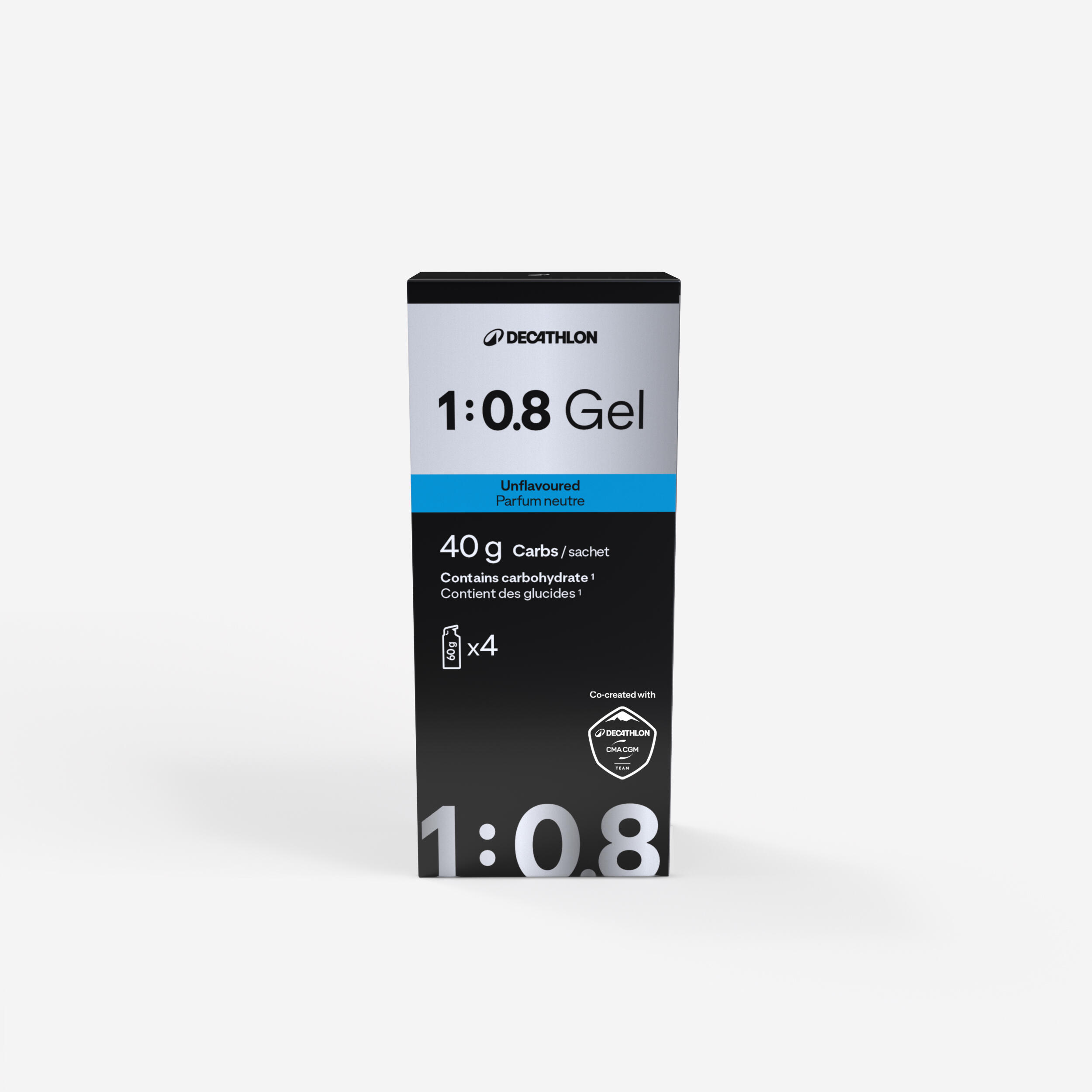
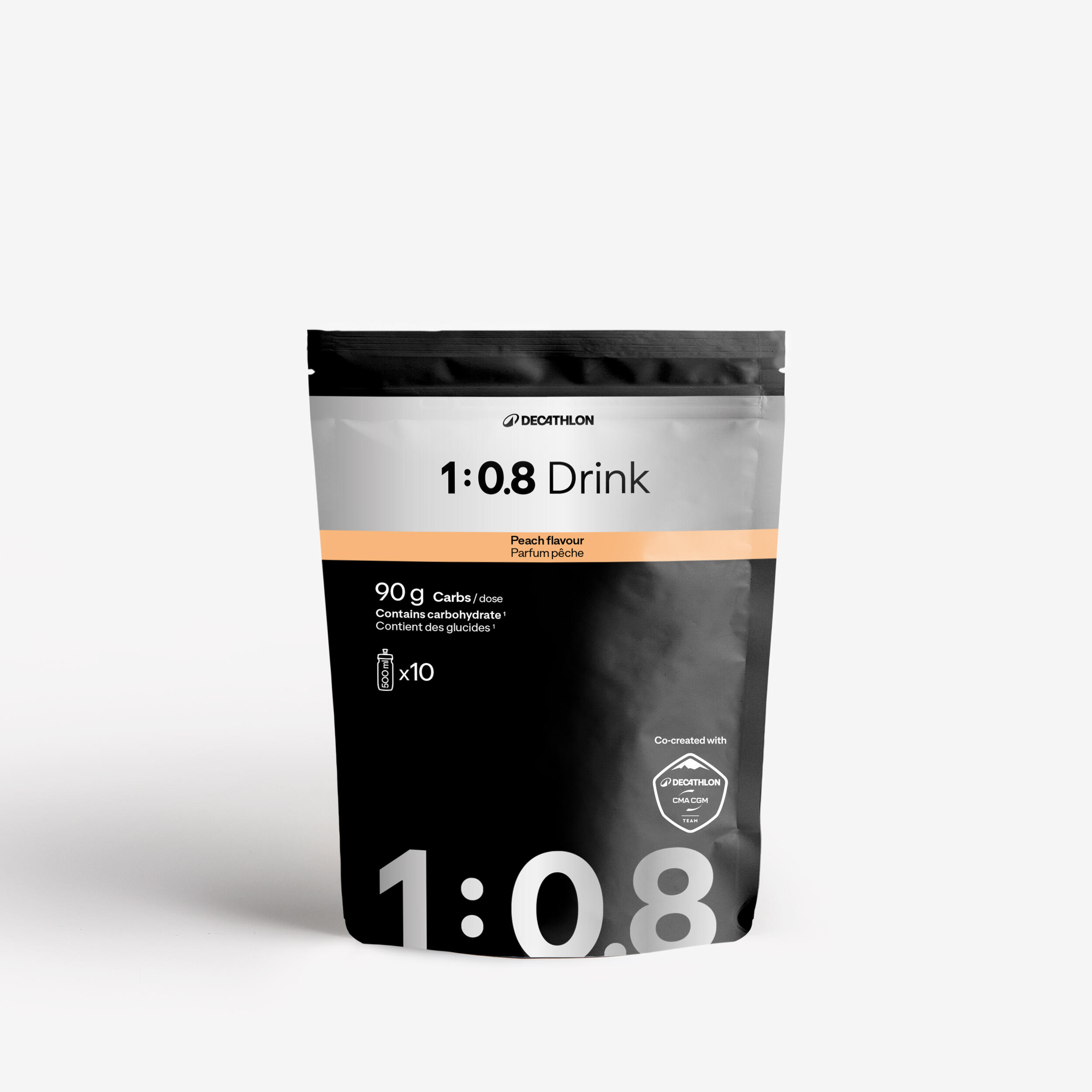
Carbohydrate source: use mixed glucose/fructose products (2:1 gels, maltodextrin + fructose drinks) to recruit both transport pathways simultaneously.
The goal is not to force down the maximum volume from day one. It is to bring your digestive system to a point where high intakes no longer trigger an alarm response. Consistency matters far more than volume in any single session.
The 6-week plan: progressive phases
The plan is structured in four phases. Apply each phase across your long sessions and moderate-intensity rides or runs (zones 2-3). Short or high-intensity sessions are not the right context for testing new fuelling volumes.
Weeks 1-2 — Foundation (40-50g/h)
Start at 40 to 50g of carbohydrate per hour during your long sessions. The goal here is to build the habit of fuelling in motion, not to push limits. Take a gel or sports drink every 30 to 35 minutes. After each session, assess your digestive comfort: bloating, nausea, stomach heaviness. If four to five sessions pass without significant symptoms, move to the next phase. Read more on intestinal adaptation mechanisms.
Weeks 3-4 — Progression (55-70g/h)
Step up to 55 to 70g/h. This is the phase where you begin using both transporters in parallel — mixed glucose and fructose sources are no longer optional, they are essential. Shorten your fuelling interval to 25-30 minutes. You may notice a mild increase in digestive sensations at the start of this phase. That is a normal response and typically settles within two or three sessions. If symptoms are significant, stay at the previous phase for another week before progressing.
Weeks 5-6 — Consolidation (75-90g/h)
The final phase targets 75 to 90g/h, applied only during long sessions or race simulations. At this intake level, individual tolerance varies considerably: some athletes reach 90g/h without difficulty, others stabilise at 75-80g/h. Finding your personal ceiling matters more than hitting a theoretical number. Martinez et al. (2025, IJSNEM) confirm that repeated feeding-challenge protocols improve tolerance over time — meaning your progress will continue well beyond these six weeks if you maintain the practice.
Tolerance indicators to monitor
Effective gut training requires consistent self-assessment. Track these signals after every fuelling session:
Gastric comfort: no nausea, acid reflux, or stomach heaviness in the 30 minutes following each intake.
Intestinal transit: no urgency or lower abdominal cramps during or within one hour of finishing the session.
Subjective comfort score: rate your gut comfort from 1 to 10 at the end of each session. A visible upward trend over two weeks confirms adaptation is happening.
Sustained performance: your carbohydrate intake should support your output, not compromise it. If digestive discomfort forces you to slow down, the dose or product type needs adjustment.
Avoid testing new brands or product formats during the consolidation weeks. New products belong in the earlier phases, where the stakes are lower. If you keep running into gut trouble on gels, our guide to stomach issues with marathon gels covers the most common causes and fixes.
Adapting intake to exercise intensity
Exercise intensity directly affects digestive tolerance. The harder you push, the more blood flow is redirected from the gut to working muscles — reducing both gastric emptying rate and absorption capacity. In practice:
At low intensity (zones 1-2), you can test higher doses and new product formats with lower risk.
At moderate intensity (zone 3), apply your current phase targets. This is the primary training zone for gut adaptation.
At high intensity (zones 4-5), reduce solid fuels and prioritise liquids or thin, easily digestible gels. This is not the context to push volume.
In a marathon or gran fondo, you will likely be in a sustained zone 3-4. That is exactly why gut training in zones 2-3 is non-negotiable: it conditions your system to tolerate high intakes even when your body is under significant physiological stress. For a concrete race-day application, see our 4-hour marathon fuelling plan with gels.
Frequency and integration into your training week
For the adaptation signal to be effective, gut training should happen on at least 2 to 3 sessions per week, each lasting at least 45 minutes. A single long run per week is not enough to drive meaningful transporter upregulation. Prioritise:
Your long sessions (the most obvious and highest-priority opportunity).
Threshold or tempo sessions, adjusting dose to intensity.
Back-to-back sessions if they are part of your programme — these are particularly useful for gut adaptation.
There is no need to take gels during a 30-minute interval session or a recovery jog. Adaptation comes from consistent exposure during longer sessions, not from maximising product consumption in a single workout.
What the latest research tells us
The science of gut training is still developing, but the consensus is solidifying. Jeukendrup (2017) established the conceptual framework, showing that the gut responds to the same principles of progressive overload as skeletal muscle. King et al. (2022) then quantified the effects of short-duration, high-carbohydrate protocols on exercise tolerance. Mika et al. (2023) measured a 47% reduction in digestive discomfort over two-week protocols. Finally, Martinez et al. (2025) provide the most recent data on repeated feeding-challenge protocols, confirming that tolerance continues to improve well beyond the initial six-week window when the practice is sustained.
The picture these studies paint is consistent: gut training is not a fringe technique or a short-term fix. It is a legitimate and trainable component of endurance performance preparation.
Start now — not two weeks before race day
Six weeks is the minimum to observe meaningful adaptation. If your marathon or gran fondo is three months away, you have plenty of time to complete the full protocol. If it is six weeks out, start immediately and focus on the first two phases — they already represent a substantial improvement over going into race day with an untrained gut.
To avoid managing this by guesswork, let Ograal adjust your meals around every session based on what you actually did. It is the most intelligent way to synchronise your daily nutrition with a progressive gut training plan.
Sources
Jeukendrup, A. (2017). Training the Gut for Athletes. Sports Medicine. DOI: 10.1007/s40279-017-0690-6
King, A. J., et al. (2022). Short-Term Very High Carbohydrate Diet and Gut-Training Effects on Gastrointestinal Symptoms During Exercise. Nutrients. DOI: 10.3390/nu14091929
Mika, A., et al. (2023). The Effect of Gut-Training and Feeding-Challenge on Gut Symptoms and Tolerance During Exercise. Sports Medicine. DOI: 10.1007/s40279-023-01841-0
Martinez, I. G., et al. (2025). Repetitive Feeding-Challenge Protocol and Gut Adaptation in Endurance Athletes. International Journal of Sport Nutrition and Exercise Metabolism. DOI: 10.1123/ijsnem.2024-0145