Training for a half marathon and wondering what to eat on race day? Half marathon nutrition is one of the most searched — and most misunderstood — topics. Many runners copy a marathon plan and divide the amounts by two. That’s not how it works.
The half marathon is a race in its own right. More intense than a marathon, shorter, with different energy demands. In this article, I’ll give you the key principles for managing your nutrition before, during, and after a half. No precise gram counts, no miracle recipes: just the keys to understanding what’s at stake on your plate. If you’re preparing for a full marathon instead, head over here: marathon nutrition guide.
Why a Half Marathon Is Not a Mini Marathon
In a marathon, you run between 3 and 5 hours. Your glycogen reserves — the primary fuel for your muscles — become critical well before the finish line. That’s the famous “wall.”
In a half marathon, the equation changes. Most runners finish between 1:25 and 2:20, at an intensity of 80 to 85% of their VO2max pace. Your energy autonomy is limited to about one hour of effort at this intensity. Beyond that point, if you haven’t planned ahead, you’ll hit trouble in the final kilometers.
In practical terms, your carb reload can be shorter, your breakfast doesn’t need to be a feast, and on-course fueling is simplified — but not optional. Cramps, a slump at kilometer 17, digestive issues: all of this can be prevented through nutrition.
Before the Race: Carb Loading in the Final Days
Carb loading involves increasing your carbohydrate intake to fill your muscle and liver glycogen reserves. For a marathon, this phase can start six days out. For a half, a few days is enough.
Gradually increase the proportion of carbs. Pasta, rice, potatoes, semolina — these become the base of your meals. Favor foods with a low to moderate glycemic index, which are better tolerated by the body.
Reduce fiber as the race approaches. Legumes, whole grains, raw vegetables — excellent in daily life, risky under exertion. Favor “white” versions and cooked vegetables in the final 48 hours.
Cut back on fat. No meat in sauce, no fried food. Maximize carbs without increasing total volume. Keep a minimum of plant-based oils (olive, canola).
Hydrate seriously. Every gram of stored glycogen is accompanied by water. If you reload without drinking enough, you’ll start with a hydration deficit before the gun even fires.
The ideal amount of carbs depends on your weight, level, and time goal. A runner targeting 1:30 doesn’t have the same needs as one targeting 2:15. That’s exactly what Ograal calculates for you.
Race-Day Breakfast: Light but Strategic
Your muscle reserves are already loaded from the carb reload in recent days. Breakfast serves to replenish your liver — whose hepatic glycogen has decreased overnight — and provide a bit of immediate energy without overloading your stomach.
Eat early enough before the start. Ideally about three hours before the gun. This is something you should test during training to find your sweet spot.
Choose easily digestible, low-glycemic-index foods. White bread, jam, honey, ripe banana, smooth applesauce — tried-and-true classics. If you usually prefer savory breakfasts, don’t overhaul everything on race morning.
Avoid anything fatty, fibrous, or new. Pastries, whole-grain muesli, large amounts of dairy — all of these slow digestion. Golden rule: never eat anything on race day that you haven’t tested during training.
Keep hydrating. Small amounts of water regularly until the start, not half a liter all at once.
A half marathon breakfast is lighter than a marathon breakfast. But “lighter” by how much? That depends on your weight, digestive tolerance, and start time — parameters that Ograal adjusts automatically.
During the Race: Fueling, but Not Like a Marathon
Watch out for the classic mistake: believing you can run a half without consuming anything. Beyond one hour of high-intensity effort, your body needs an external carbohydrate supply. This is the main cause of late-race collapse.
Favor regular intake in small amounts. A sip every 10-15 minutes is better than a whole gel at kilometer 15. The body absorbs a staggered intake better, and your gut will thank you.
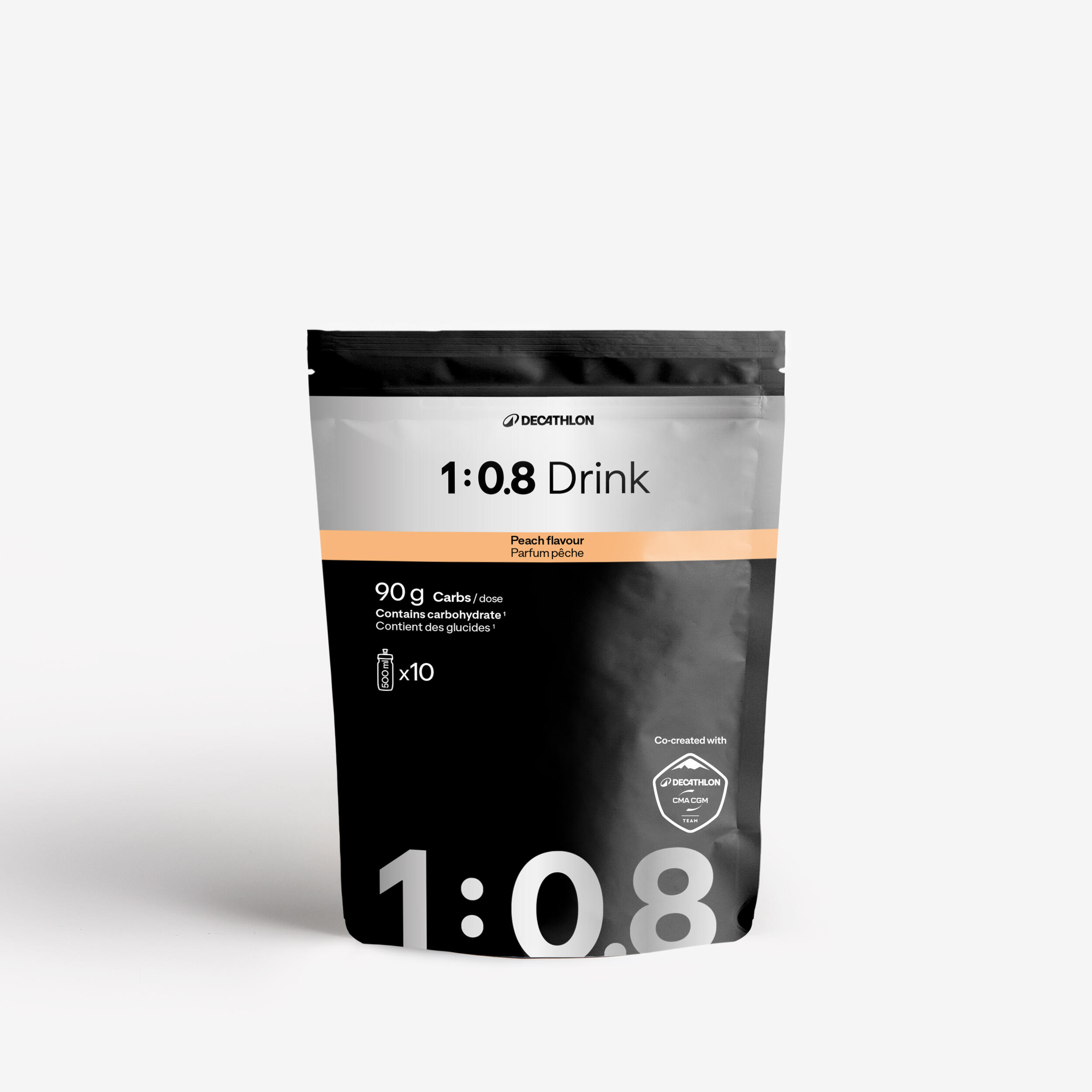
An energy drink is the most complete format. It provides water, varied carbohydrates, sodium, and micronutrients in a single intake. A bottle or a belt with flasks makes you self-sufficient.
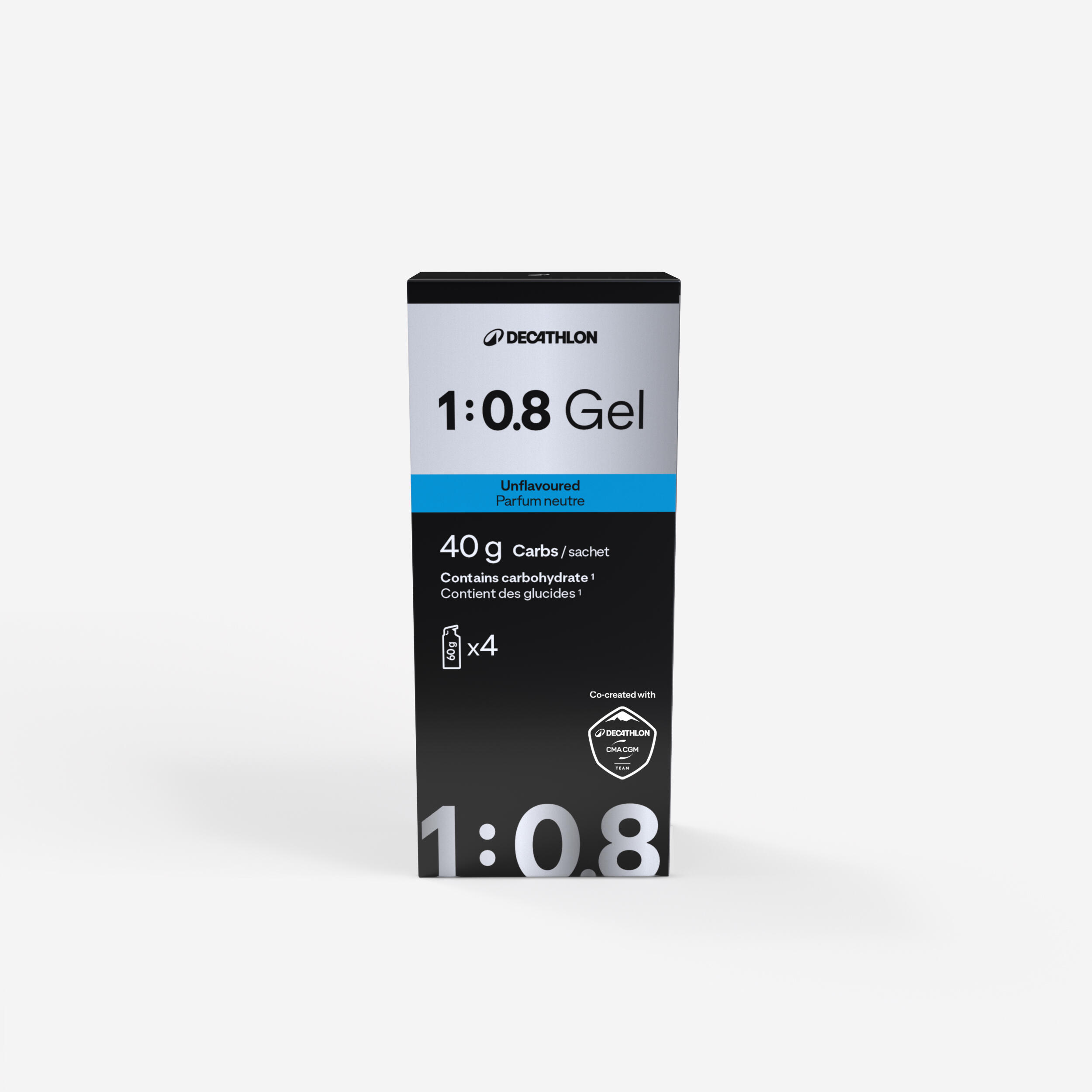
Gels are convenient, but not without precautions. You need to drink water right after, and they can cause stomach issues. Never try a gel for the first time on race day.
Avoid energy bars. Chewing while running causes digestive problems. Bars are better suited to cycling or moderate-pace trail running.
Test everything during training. Gel, drink, fruit paste — every product consumed in competition must have been validated on one or two long runs. If you plan to use products from official aid stations, test those in advance too.
The right timing, the type of product, the ingestion rhythm: everything varies according to your target pace and estimated duration. Parameters you can configure in your Ograal space.
After the Race: Recovery Starts on Your Plate
What you consume in the first minutes after finishing determines your recovery. This is what’s called the “metabolic window”: a short period when your body is especially receptive to replenishing its stores.
Combine carbs and protein quickly. Carbohydrates restart glycogen resynthesis — glucose targets the muscles, fructose targets the liver. Protein limits catabolism and promotes muscle fiber repair.
Start with liquids if you’re not hungry. Recovery drink, chocolate milk, smoothie — the important thing is not to let this window pass.
Plan a proper full meal afterward. Lean protein, complex carbs, antioxidant-rich vegetables, healthy fats. Dried fruits, fresh fruits — your body needs to rebuild.
Rehydrate with mineral-rich beverages. Mineral-rich water, electrolytes, or bicarbonate water to combat post-exercise acidosis.
Optimal amounts, the carb-to-protein ratio, the exact timing: all of this can be personalized. That’s what NutriSport, Ingrid Gallerini’s platform integrated into Ograal, offers.
The 5 Classic Mistakes to Avoid
As a sports dietitian, I always see the same mistakes:
Eating too much the night before to the point of feeling heavy in the morning. Carb loading is not an all-you-can-eat pasta buffet.
Changing your habits at the last minute. New gel, untested breakfast, unfamiliar drink — race day is not a day for experimentation.
Neglecting hydration in the days before. Loading without drinking is fuel without coolant.
Running without consuming anything. Beyond one hour of effort, your body needs external fueling. Not refueling means slowing down in the final third.
Skipping post-race nutritional recovery. Waiting until you’re hungry means missing the metabolic window. A liquid intake right after the race makes a real difference.
Key Takeaways
Half marathon nutrition rests on clear principles: short and targeted carb loading, a light breakfast eaten early enough, regular and adapted on-course fueling, and rapid post-race nutritional recovery.
These principles are universal. But their practical application — the amounts, the precise timing, the foods suited to your profile — depends on you. Your weight, your level, your time goal, your digestive tolerance: all parameters that mean your fellow runner’s plan is not yours.
That’s precisely what Ograal does. Drawing on the expertise of NutriSport, our platform generates a complete, personalized nutrition plan: from carb loading to your recovery meal.
For a nutrition plan tailored to your level and time goal, Ograal calculates everything for you
You know the key principles. All you’re missing is personalized precision. Enter your distance, weight, and time goal, and Ograal delivers your complete nutrition plan, from the first carb-loading meal to your post-race snack.