Why carb loading is crucial for your 70.3 triathlon
A 70.3 triathlon demands between 3.5 and 5.5 hours of continuous effort. At that intensity, muscle glycogen is your primary fuel — and its reserves are limited. If you toe the start line with half-empty stores, you will pay for it on the run. Carb loading (glycogen supercompensation) is the nutrition strategy that lets you depart with maximum reserves. It plays out over the three days before your race, with progressive adjustments to your carbohydrate intake.
Ograal plans your carb loading automatically
That is exactly what Ograal does: the app integrates a glycogen supercompensation strategy that automatically increases your carbohydrate intake in the 36 to 48 hours before competition, based on your training load, race weight, and estimated race intensity. It also tailors your pre-race breakfast to your start time and projected race duration, and applies strict digestive guidelines to minimise gastrointestinal issues on race day. No manual calculations — your plan is generated in real time.
What experts recommend: 8–10 g of carbohydrate per kilogram
Current recommendations converge on 8–10 g of carbohydrate per kg of body weight per day in the 48 hours before the race. According to IRONMAN.com, "Recommended carbohydrate intake is 8–10 g/kg/day in the 48 hours before your race." Morton et al. (2026, The Journal of Nutrition) also update the ACSM recommendations on endurance carbohydrates, confirming the central role of glycaemic density during the tapering phase. The goal: saturate muscle and liver glycogen stores before the start, without overloading your digestive system.
D-3: gradually increase your carbohydrates
Three days before the race, start orienting your diet toward carbohydrate sources. This is the moment to reduce the proportion of fat and protein to make room for carbs — without starving yourself, just rebalancing the ratios.
Recommended foods D-3:
- White rice, pasta, couscous, steamed potatoes
- White bread or sourdough (not wholegrain — limit fibre)
- Ripe bananas, unsweetened applesauce
- Oats in the morning (in moderate quantities)
- Clear vegetable broth to maintain hydration
See our article on triathlon race week nutrition for adjustments from D-7 onwards.
D-2: glycaemic density increases
This is where the load becomes real. Your meals should be dominated by fast- and medium-digesting carbohydrates, spread across three main meals and one or two snacks. The key: do not wait until you are hungry, eat regularly, and drink enough to support glycogen storage (each gram of glycogen is stored with approximately 3 g of water).
Example day D-2:
- Breakfast: oats + plant milk + banana + honey + orange juice
- Lunch: large bowl of white rice + white fish fillet + light tomato sauce
- Snack: white bread + jam or date paste + water
- Dinner: pasta al dente + light tomato sauce + a few slices of lean ham
Avoid legumes, large amounts of raw vegetables, strong spices, and fatty sauces. The goal is to load without irritating the gut.
D-1: carbohydrates and digestive calm
The day before the race, the objective is twofold: maintain glycogen stores at their maximum level, and prepare your digestive system to function under thermal and mechanical stress the next day. Meals must be simple, familiar, and easy to digest.
For dinner (the classic pasta night), choose white pasta cooked al dente, a light tomato sauce with minimal fibre and fat, and a small portion of lean protein. Find the details in our article on pre-race dinner for endurance athletes.
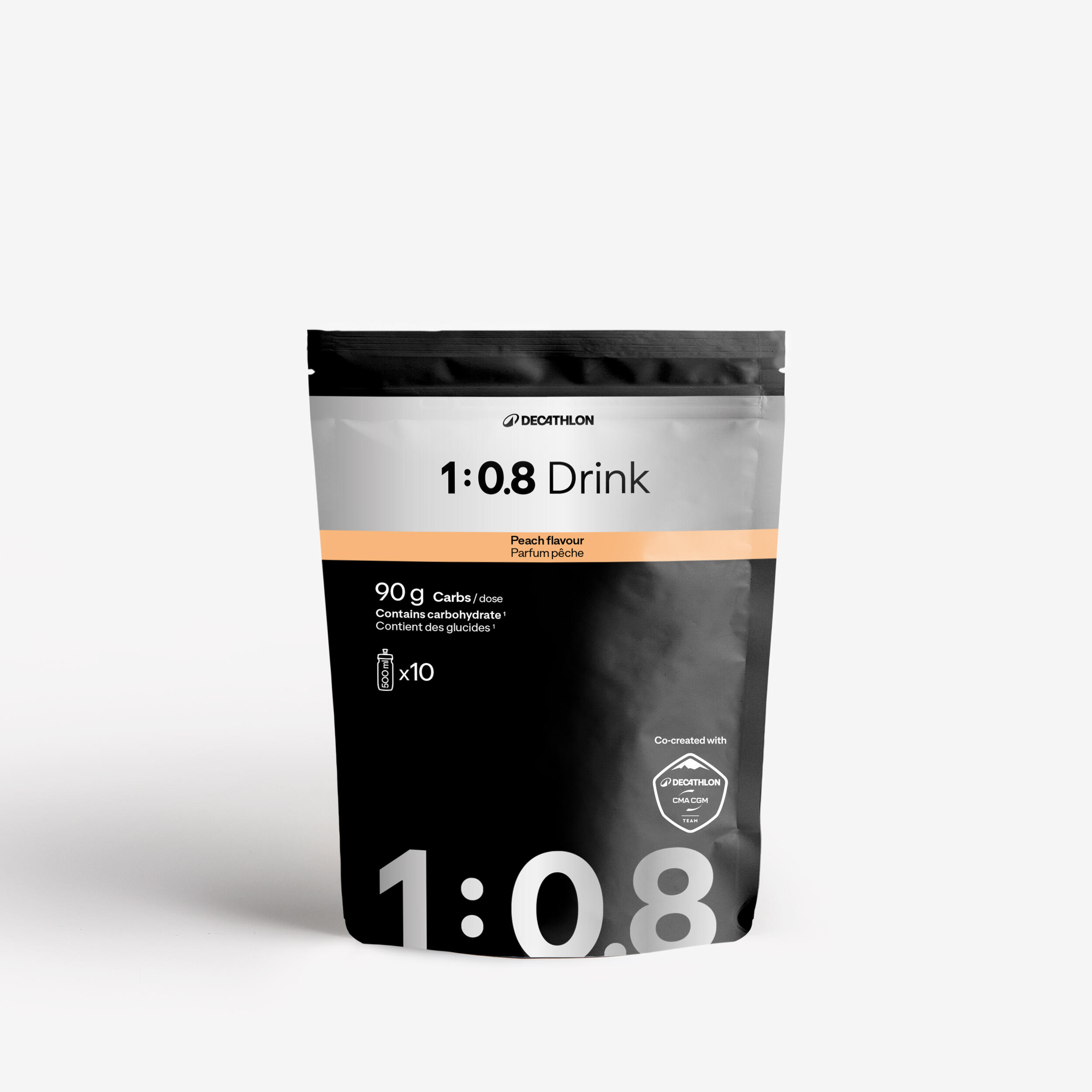
To complement your D-1 carb loading or on race morning, an isotonic drink can help increase carbohydrate intake without overloading the stomach. The ISO Orange 650g isotonic powder from Decathlon is a practical option, easy to dose and well tolerated by the majority of athletes.
Race morning: your last fuelling window before the start
Your pre-race breakfast should be eaten 2.5 to 3 hours before the start. It must be high in simple carbohydrates, low in fibre, fat, and protein, and — above all — tested in training. Never improvise on race morning.
Example pre-70.3 breakfast:
- 2 to 3 slices of white bread with honey or jam
- 1 ripe banana
- 1 light coffee or tea (if you are used to it)
- 300–500 ml of water or diluted isotonic drink
Try nothing new. Race-day stress already affects gut motility — this is not the time to experiment with a new product or untested food.
During the race: 60–90 g of carbohydrate per hour
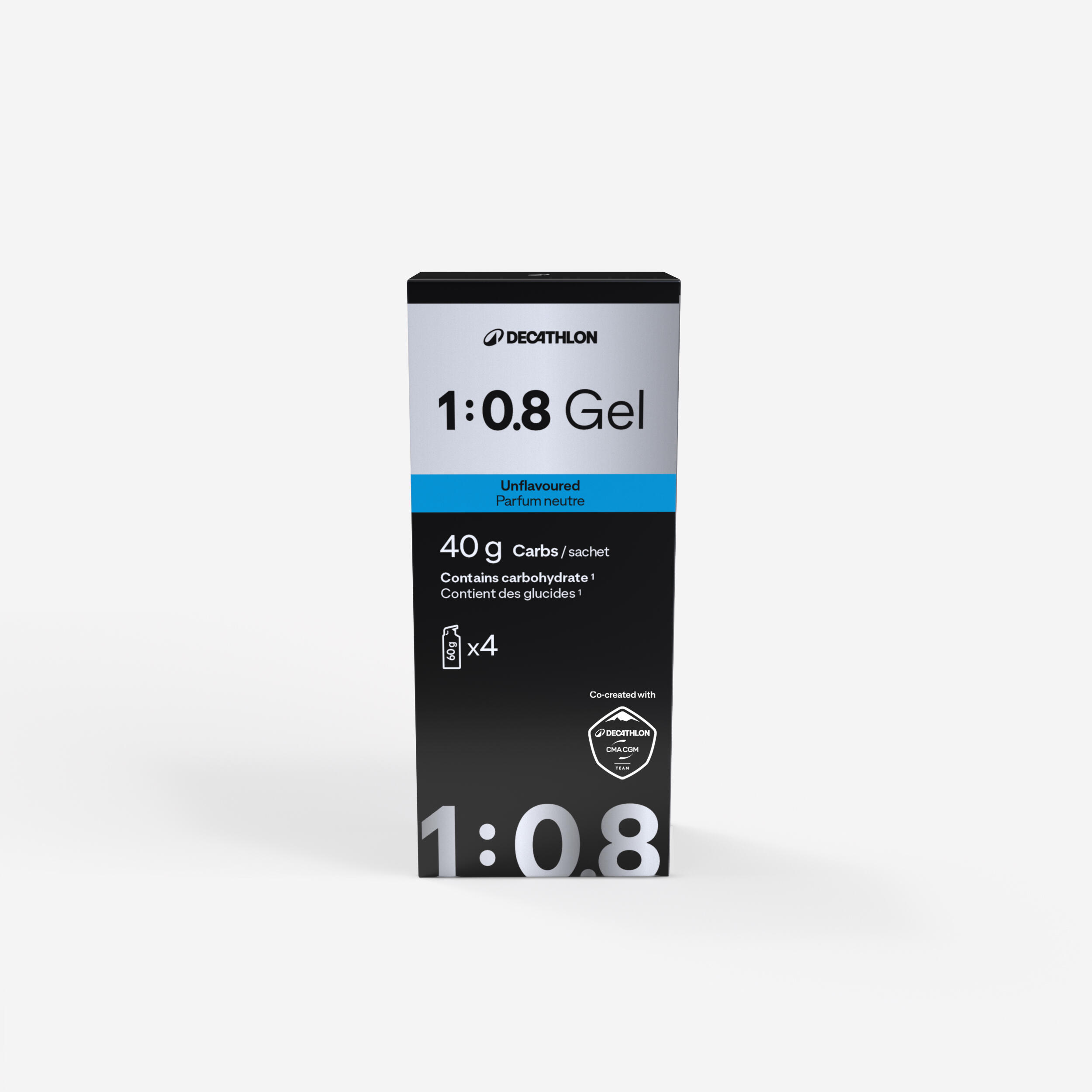
Even with well-loaded stores, a 70.3 requires exogenous carbohydrate intake during the effort. According to Triathlete Magazine, the target is to "consume 60–90+ g carb/hr from multiple carb sources such as glucose, fructose, and maltodextrin mixtures." Combining sources (glucose + fructose) uses different intestinal transporters and allows you to exceed the absorption ceiling of glucose alone.
On the bike, fuelling is easiest: gels, bars, bananas at aid stations, sports drinks. On the run, favour liquid gels and isotonic drinks to reduce digestive stress. For sodium management during effort in hot conditions, see our article on sodium per litre in a sports drink in the heat.
The most common carb loading mistakes
- Eating too much fat: heavy sauces, excess cheese, and fried foods slow gastric emptying and crowd out carbohydrates.
- Too much fibre: raw vegetables, legumes, and wholegrain cereals ferment — risk of bloating and cramping on race morning.
- Under-hydrating: glycogen is stored with water; if you do not hydrate adequately, your supercompensation will be partial.
- Starting too late: 48 hours is the minimum. For a 70.3, 72 hours allows more complete saturation.
- Changing habits: an unfamiliar food the day before the race can trigger an unexpected digestive reaction.
In summary: 3 days to arrive with a full tank
Carb loading for a 70.3 triathlon is not simply a matter of "eating pasta." It is a structured strategy spanning 3 days, with intake adapted to each moment, food choices oriented toward digestibility, and sustained hydration. Start at D-3, increase glycaemic density at D-2, simplify and secure at D-1, and start the race with saturated glycogen stores.
If you want all of this planned for you without calculation, Ograal generates your personalised carb loading plan based on your race date, body weight, and dietary habits.
Sources
1. IRONMAN.com — Endurance Nutrition Basics 101: How to Fuel For a 70.3 Triathlon (2025)
2. Triathlete Magazine — A Half-Ironman (70.3) Nutrition Plan (2025)
3. Morton et al. (2026) — The Journal of Nutrition — Updated ACSM recommendations on carbohydrates for endurance sport