On 12 April 2026, tens of thousands of runners will take to the streets of Paris for the Paris Marathon. And this year, everything changes at the aid stations. The tables lined with plastic cups are gone: the organisation is going fully zero-waste. If you don’t plan for this change right now, you risk hitting a hydration crisis at km 25. I’m Ingrid, a sports dietitian at Ograal, and I want us to prepare for this together well ahead of race day. Start by locking in your meal plan for the week before the marathon — because your nutrition strategy begins long before race day.
1. The 2026 Paris Marathon: A Revolution at the Aid Stations
It’s official: the 2026 Paris Marathon is eliminating plastic cups and bottles at all aid stations. This decision reflects a strong eco-responsible commitment, and honestly, I think it’s both brave and necessary. But for you as a runner, it requires real logistical preparation.
Here’s how it works in practice: push-button water fountains are set up along the entire course. In under 2 seconds, you can fill your container with 350 to 400 ml. Volunteers are on hand to help you fill your flask or collapsible cup if you’re running without free hands. Aid stations are spaced 2 to 2.5 km apart from the halfway point onwards — a frequency that perfectly matches long-duration endurance needs.
The good news? If you integrate this constraint into your training right now, on race day you’ll be running far more calmly than those who discover the change at the start line.
2. Flask, Collapsible Cup, or Soft Flask: Which Container to Choose?
The choice of container is the most strategic decision you’ll make. Here are the three options available to you:
- The soft flask (150–250 ml): the choice for fast runners who want to get through aid stations quickly. It slides easily into the front pocket of a trail vest or a running belt. It’s lightweight, compressible when empty, and compatible with push-button fountains. Its only drawback: it compresses in your hand if you don’t have a holder.
- The collapsible cup (150 ml): the ultimate minimalist solution. It weighs almost nothing, fits in any pocket, and lets you drink just like a standard cup. Ideal if you run with a light belt. Make sure you choose one with a ring or clip so it stays easily accessible.
- The hydration pack (500 ml to 1.5 L): for runners who want full control of their hydration without depending on stations. It’s the most self-sufficient option, but also the most cumbersome. Reserve it for hot weather, if you sweat a lot, or if you’re running at a very conservative pace in the second half.
My advice: test your container on your next long runs. The act of drinking must become automatic — you shouldn’t slow down to find your flask or open it. Marathon racing leaves no room for hesitation.
3. The Aid Stations: What to Expect on the Course
The official aid station map has not yet been finalised at the time of writing, but here is what previous editions and available information indicate:
- Water: available at all aid stations, accessible via push-button fountains.
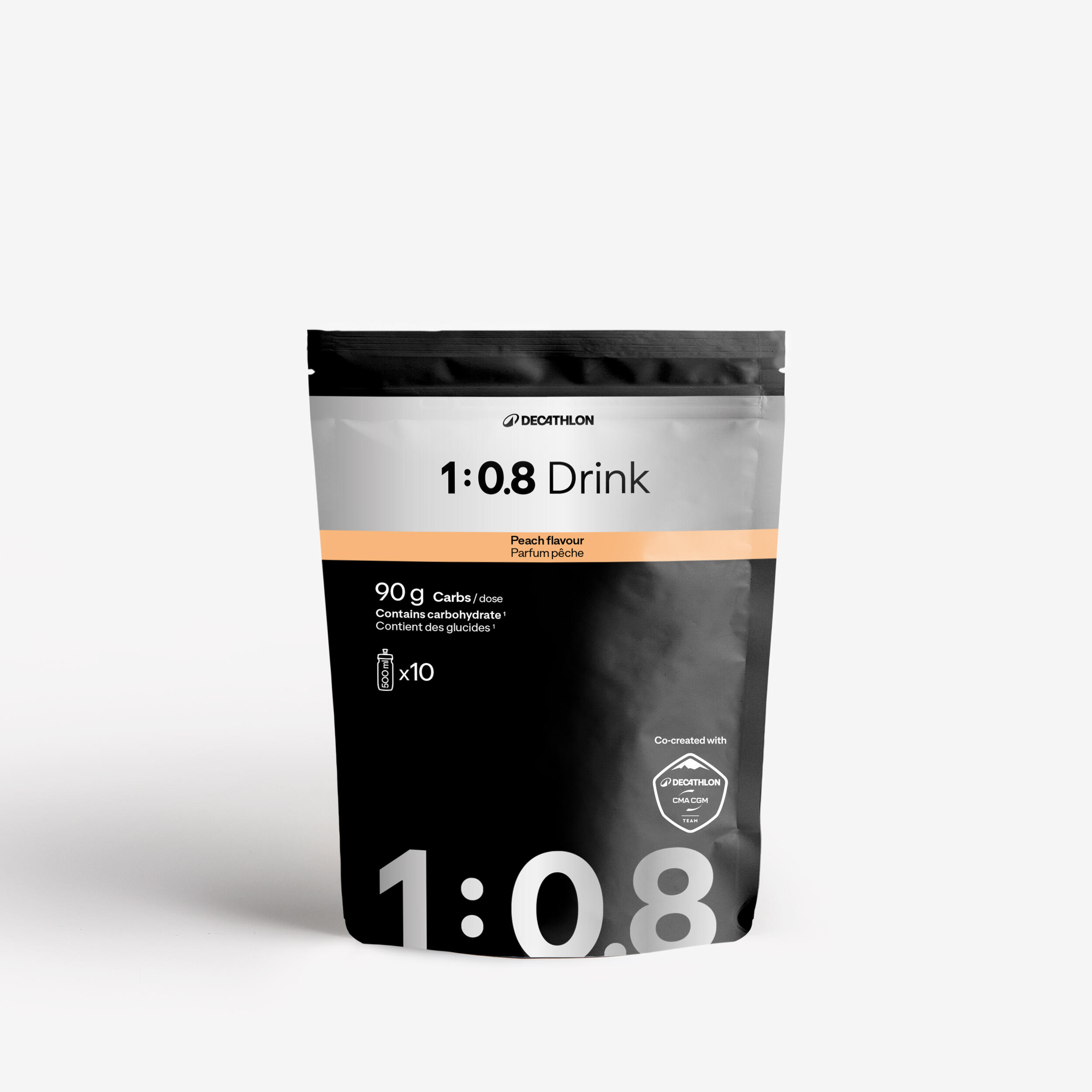
- Isotonic drinks: offered from the half-marathon mark onwards, to replenish your electrolytes (sodium, potassium, magnesium). This is where your container makes all the difference — you can take exactly the amount you need.
- Fruit (banana, orange): generally available from km 25–30, for a quick supply of sugars and potassium.
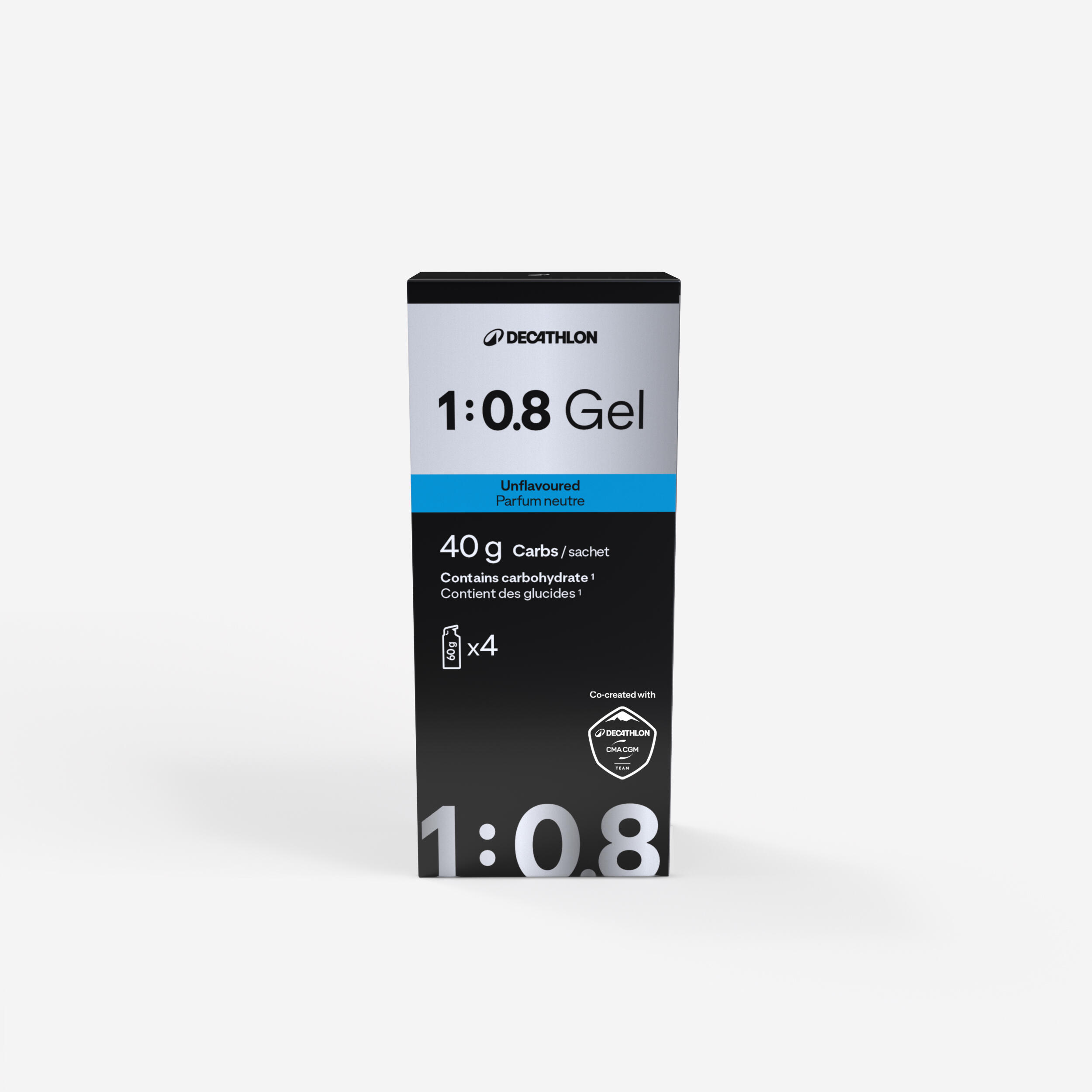
- Energy gels: distributed at certain points in the second half of the race. Check the brand and flavour in advance — a gel you’ve never tested can cause gastric issues towards the end of the race.
The frequency of aid stations (every 2 to 2.5 km from the half-marathon) is a real advantage: it lets you split your water and carbohydrate intake without ever waiting too long. Adapt your strategy to your target pace — the faster you run, the less time you have at each station.
4. Your Hour-by-Hour Hydration Strategy
Hydration is probably the most underestimated factor in marathon performance. Too little, and you risk dehydration from km 30. Too much, and you dilute your electrolytes to the point of triggering hyponatraemia. Also check out my advice on hydration in hot weather — April in Paris can bring temperature surprises.
Here is how I structure the hydration strategy for my athletes for a marathon:
- Before the start (the evening before and the morning of the race): the goal is to start in a state of euhydration — neither over-hydrated nor under-hydrated. Drink regularly the evening before, without excess. On race morning, drink to thirst up until 45–60 minutes before the start, then stop to avoid an urgent need at the gun.
- From 0 to 21 km: drink at every aid station, even if you don’t yet feel the need. One or two small sips is enough. The goal is to maintain a stable level, not to catch up on a deficit.
- From 21 to 35 km: heat and effort accumulate. Take advantage of the isotonic drinks to replenish your electrolyte stores. This is where many runners start to feel muscular fatigue.
- From 35 km to the finish: continue drinking according to your sensation. Your body is thirsty — trust it. If you notice signs of dehydration (very dry mouth, headaches, blurred vision), increase your intake.
5. Solid Foods at Aid Stations: What to Take (and Avoid)
Solid fueling is a delicate art. The goal is to keep your glycogen stores topped up without weighing down your legs or irritating your digestive system. Here are my ground rules:
What you can take without hesitation:
- Banana: easily digestible, rich in potassium and fast-acting carbohydrates. Eat half if you’re not used to it, a whole one if you’ve practised with it in training.
- Orange segments: hydrating and sweet. The juice provides a welcome refreshing effect. Take 2 to 3 segments maximum.
- A familiar gel: if the brand on offer is the one you use in training, take it. Otherwise, stick to a gel from your own supply.
What is best avoided:
- Any food you have never tested during exercise. The marathon is not a tasting event.
- Dry, compact bars after km 30. Digestion slows down in the latter stages of a race, and a bar that’s hard to chew can trigger acid reflux or gastric heaviness.
- Too much sugar at once. A glycaemic spike followed by reactive hypoglycaemia is the enemy of consistent pacing.
And for the notorious wall at km 30–35 accompanied by muscle cramps? You can try pickle juice for cramps — its properties for reducing cramps in endurance sport are well documented, and several of my athletes carry a small dose in their race belt.
6. Preparing Your Strategy Before Race Day: Test It in Training
The golden rule in sports nutrition is to try nothing for the first time on race day. That applies to gels, drinks, and above all to your water container. Start by sorting out your pre-race dinner so you don’t sabotage your preparation on the final straight.
Here is the protocol I recommend to my athletes from 6 weeks before the marathon:
- Long run #1 (D−42): run with your flask or collapsible cup. Observe how you get on. Does the container bother you? Are you drinking enough?
- Long run #2 (D−28): simulate an in-race aid station. Stop at a water point, fill your container, and set off again. Time yourself.
- Long run #3 (D−14): test your full strategy (water + isotonic + solid) on a 28–32 km run. This is the dress rehearsal.
- Race morning (D−0): follow your pre-exercise breakfast routine — timing and composition are essential for toeing the start line with full stores and no heavy stomach.
The goal of these simulations is not to fatigue you unnecessarily, but to test and validate every link in your nutritional chain. On race day, your mind should be completely free to run.
7. Ograal Plans Your Fueling Strategy According to Your Pace
Every runner is different. A finisher targeting 3h30 does not have the same needs as a runner targeting 5h, and a 55 kg woman does not sweat like an 85 kg man. That is why a generic fueling strategy has its limits.
At Ograal, we have developed a tool that takes into account your physical profile, your target pace, anticipated weather conditions, and the official aid station locations to generate a personalised fueling plan for the 2026 Paris Marathon. You will know exactly what to drink and eat at every kilometre, based on what you are carrying and what the organisation provides.
This includes:
- The list of aid stations not to miss according to your pace.
- The approximate amount to consume at each station.
- Alerts for risk zones (heat, the critical km 30+ stretch).
- Container recommendations tailored to your physiology and running style.
Ready to run on 12 April without any unpleasant surprises? Create your fueling plan on Ograal and approach the 2026 Paris Marathon with the confidence of a prepared athlete.
— Ingrid Gallerini, Sports Dietitian, Ograal