What to eat on a long bike ride comes down to fueling as you pedal: start early, then take a little every half hour, mixing drink, bars and gels. Begin with a solid, familiar breakfast, and add a recovery snack within the hour after you finish, so the next meal starts from a good place. Here is the plan of Mike, a cyclist.
A long endurance ride is a ride of several hours at an easy, conversational pace, where carbs are the main fuel for your muscles. It gradually empties the glycogen stored in your muscles and liver, so it pays to fill those stores before the start and keep topping up while you ride.
What to eat on a long bike ride, hour by hour
Mike eats early and on a schedule, without waiting for hunger. Over a ride this long, rhythm matters more than volume: his first intake comes at the 20-minute mark, then another every 30 minutes, at 60 g of carbs per hour.
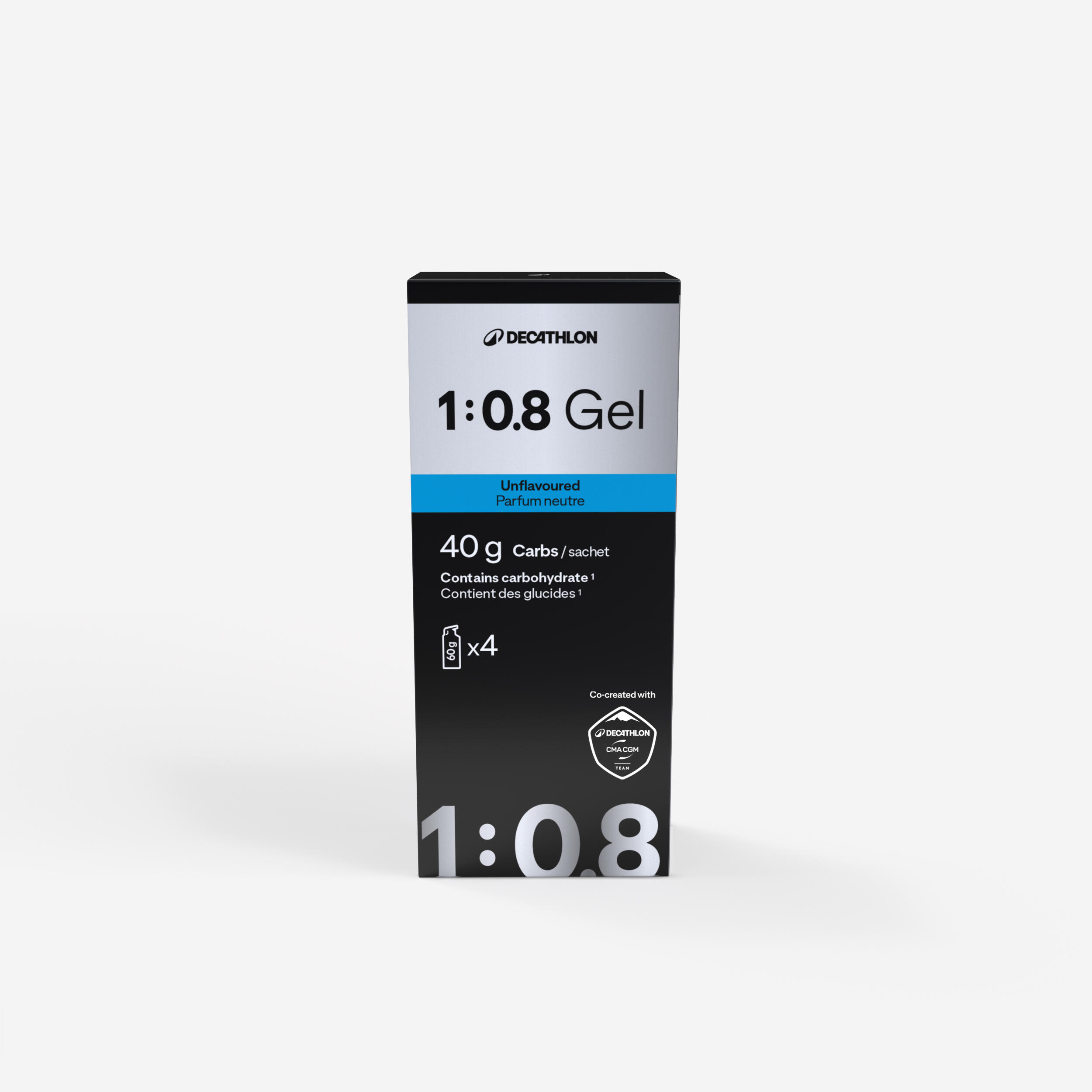
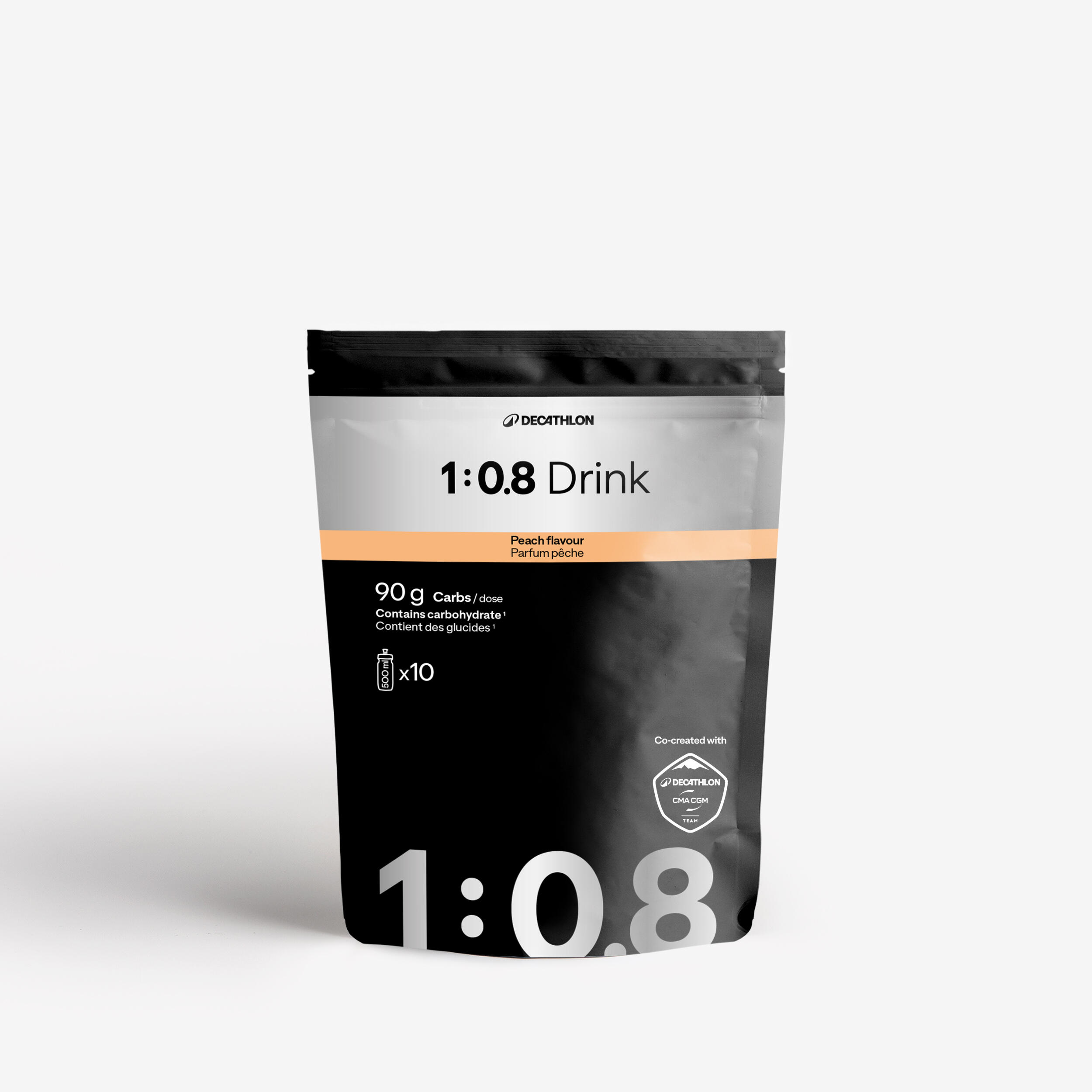
In his pockets and on the frame: two 750 ml (25 fl oz) bottles of isotonic drink, one of them refilled on the way, three energy bars with 25 g of carbs each and two energy gels with 30 g of carbs each. For fluids, he aims for 500 ml (17 fl oz) per hour.
Your own weight and ride length will change the amounts. Keep the principle: start early, split your intakes, and pair drink with solid food. And try your fueling in training before an important day.
- 2 × 1500 ml (51 fl oz) bottles of isotonic drink (52.5 g carbs each)
- 3 energy bars (25 g carbs each)
- 2 energy gels (30 g carbs each)
240 g of carbohydrates during exercise, or 60 g/h · hydration: 500 ml/h (17 fl oz/h) · Start at minute 20, then one serving every 30 minutes.
Calculated by the Ograal app.
Generic products: replace them with your own; quantities are calculated by the Ograal app from their composition.
Why fuel during a long ride?
As the hours pass, muscles use up their glycogen, the carb reserve they keep on hand. It is not enough for the whole effort, so legs feel heavy late in the ride. The carbs you take in reach your blood and ease the load on that store.
Your gut handles small, regular doses better than one big intake. That is why Mike alternates drink, bars and gels: the drink hydrates while giving sugar, bars suit the calm stretches, and gels go down easily when chewing gets tiring.
The day before: dinner makes the difference
The day before, Mike does not train and puts his food effort into dinner, with 139 g of carbs. The rest of the day stays with familiar meals. The goal is to start with well-filled stores and a calm stomach. Skip very fatty or fiber-heavy dishes that evening: they slow digestion and can disturb your sleep.
Before you leave: breakfast
Breakfast: whole grain bread, ham and cheese
This meal pairs bread, an easily digested carb source, with ham, a light protein, and a piece of fruit. Eat it early enough that you do not ride on a full stomach. If you prefer something sweet, muesli with milk, walnuts and fruit does the same job.
- Quality bread (whole grain, multigrain, spelt) 160g (5.6 oz) + Cooked ham 80g (2.8 oz) + Cheese (e.g. Emmental) 30g (1.1 oz) + Fresh seasonal fruit 200g (7.1 oz)
Alternative: Quality bread (whole grain, multigrain, spelt) 160g (5.6 oz) + Cooked ham 80g (2.8 oz) + Cheese (e.g. Emmental) 30g (1.1 oz) + Fresh seasonal fruit 200g (7.1 oz)
Alternative: Muesli 120g (4.2 oz) + Semi-skimmed milk 300ml (10 fl oz) + Walnuts 15g (0.5 oz) + Fresh seasonal fruit 200g (7.1 oz)
After the ride: a quick snack
Within 30 to 60 minutes of finishing, Mike takes something to restart his reserves, combining carbs and protein: bread with ham, butter and a fruit, or skyr with honey and a fruit. When the next meal falls inside that window, use it as dessert.
- Commercial recovery drink + 1 fruit
- Bread with Cheese + 1 fruit
The rest of the day at the table
Lunch, snack and dinner carry on the work of breakfast. Depending on when you ride, they prepare the effort or help you bounce back from it.
Lunch: egg, peas and whole wheat bread
On the menu, 1 egg(s) sits alongside the peas and whole wheat bread, which bring the carbs. Gnocchi, chestnuts or simply more bread can replace the peas, whichever you feel like.
- 200g (7.1 oz) minimum raw and/or cooked vegetables
- 1 egg
- 30ml (1 fl oz) of vegetable oil
- 90g (3.2 oz) Whole wheat bread
- 350g (12.3 oz) Peas/legumes
- Or 140g (4.9 oz) cooked weight of gnocchi / chestnuts
- Or 90g (3.2 oz) bread
- 1 Fresh seasonal fruit
Snack: ham and butter on bread
This easy-to-carry sandwich bridges the gap to dinner without weighing you down. For a lighter, higher-protein option, go for skyr with honey and fruit.
- Ham 40g (1.4 oz) + Quality bread (whole grain, multigrain, spelt) 80g (2.8 oz) + 1 fruit + Butter 10g (0.4 oz)
Alternative: Ham 40g (1.4 oz) + Quality bread (whole grain, multigrain, spelt) 80g (2.8 oz) + 1 fruit + Butter 10g (0.4 oz)
Alternative: 0% fat skyr 230g (8.1 oz) + Honey 15g (0.5 oz) + 1 fruit
Dinner: chicken, rice and vegetables
The chicken supplies most of the evening’s protein, while the rice finishes refilling the stores. You can swap it for pasta, semolina, bread or potatoes, your choice.
- 200g (7.1 oz) minimum raw and/or cooked vegetables
- 80g (2.8 oz) White meat (chicken, turkey, veal)
- 30ml (1 fl oz) of vegetable oil
- 260g (9.2 oz) Pasta/rice/semolina/quinoa/bulgur
- Or 130g (4.6 oz) bread
- Or 300g (10.6 oz) cooked weight of potatoes / polenta + 30g (1.1 oz) bread
- 1 yogurt
- 1 Fresh seasonal fruit
How many carbs on a 4-hour ride day?
Mike reaches 654 g of carbs over the day, about 4 g per lb of body weight, well above a rest day.
Worth remembering: 240 g of those carbs come from the bike, not the plate. Fueling on the ride counts as much as the meals. The table shows the rest.
| Sport | Cycling |
|---|---|
| Session | endurance |
| Duration | 4 h |
| Energy intake | 4,380 kcal |
| Carbohydrates | 654 g |
| Protein | 179 g |
| Fat | 116 g |
| Macro ratios | 1.1 g/lb protein · 4 g/lb carbs · 0.7 g/lb fat |
Classic mistakes on a long bike ride
Hours in the saddle forgive little: some habits cost you dearly near the end.
- A timid dinner the day before: without starchy foods in the evening, your reserves start half empty.
- Leaving the house fasting: the stock is dipped into from the first pedal strokes.
- Waiting for hunger or thirst: these signals arrive late, so take your dose on schedule.
- Relying on gels alone: in large amounts they irritate the stomach; spread intake across drink, bars and gels.
- Skipping the snack afterwards: dinner, however generous, does not replace that quick boost.
Frequently asked questions
Should you eat more the day before a long bike ride?
Yes, mainly carbs, and mostly at dinner. In this plan, the day before reaches 363 g of carbs, against 292 g on a rest day. The point is not to force food down, but to start with well-filled stores, without a heavy meal that would hurt your sleep.
How many gels should you take for a long bike ride?
Mike carries two, along with two bottles of isotonic drink and three bars: together they supply his 60 g of carbs per hour. It is better to spread your sources than to rely on gels alone, which can upset the stomach in large amounts.
Does this plan suit any cyclist?
No, it is calculated for Mike, 165 lb, on this specific endurance ride. Your needs vary with your weight, your training volume, your ride length and your goal. Borrow the logic of the plan, then get your own carb and hydration amounts calculated.
For meals fitted to your own rides, not Mike’s, choose the option that suits you.