UTMB 2026: The Absolute Benchmark of Ultra-Distance Trail Running
Definition: The UTMB (Ultra-Trail du Mont-Blanc) is the world’s most iconic trail ultra. The 2026 edition, held on August 30 in Chamonix, covered 174 km around the Mont-Blanc massif with 9,700 m of elevation gain. The top female athletes complete it in 21-23 hours, pro men in 18-20 hours — field finishers take 30-40 hours across this grueling course threading through France, Italy, and Switzerland.
To plan your fueling strategy for an ultra of this scale, Ograal’s race nutrition module lets you model your caloric needs hour by hour, map out aid station checkpoints, and optimize caffeine timing. Set up your race profile at ograal.app and test the fueling calculator today.
The 2026 UTMB left a historic mark: according to results published by iRunFar, she finished in 21:54:49 — becoming the first woman to break the 22-hour barrier on this course and completing the UTMB World Series triple crown (OCC, CCC, UTMB). An unprecedented achievement in the history of women’s trail running.
This historic result was built on a meticulously planned nutrition strategy. Here’s the full breakdown.
How Many Calories Do You Burn During the UTMB? The Energy Equation of a 174 km Race
The answer depends on your weight and pace, but estimates converge: a 60 kg athlete running at race pace burns 700-900 kcal/h on fast segments. Over 22 hours, that adds up to 15,000-18,000 kcal of total expenditure. You can never absorb that much — the body stores 1,500-2,000 kcal as glycogen and mobilizes fat for the rest.
The nutritional goal at UTMB is therefore to cover 40-60 g of carbohydrates per hour during fast phases (0-6h, col crossings), then drop to 30-40 g/h at night when the digestive system slows. A 2022 PMC study on ultra-endurance athletes (PMC9670775, Sleep Sci. 2022) confirmed that ultra-endurance athletes show specific nutritional profiles with significantly reduced carbohydrate intake during nocturnal phases.
Solid vs. Liquid: The Strategic Choice by Hour and Altitude
At UTMB, the solid/liquid strategy isn’t fixed — it must adapt in real time. Here’s the logic validated by top athletes and ultra nutrition research:
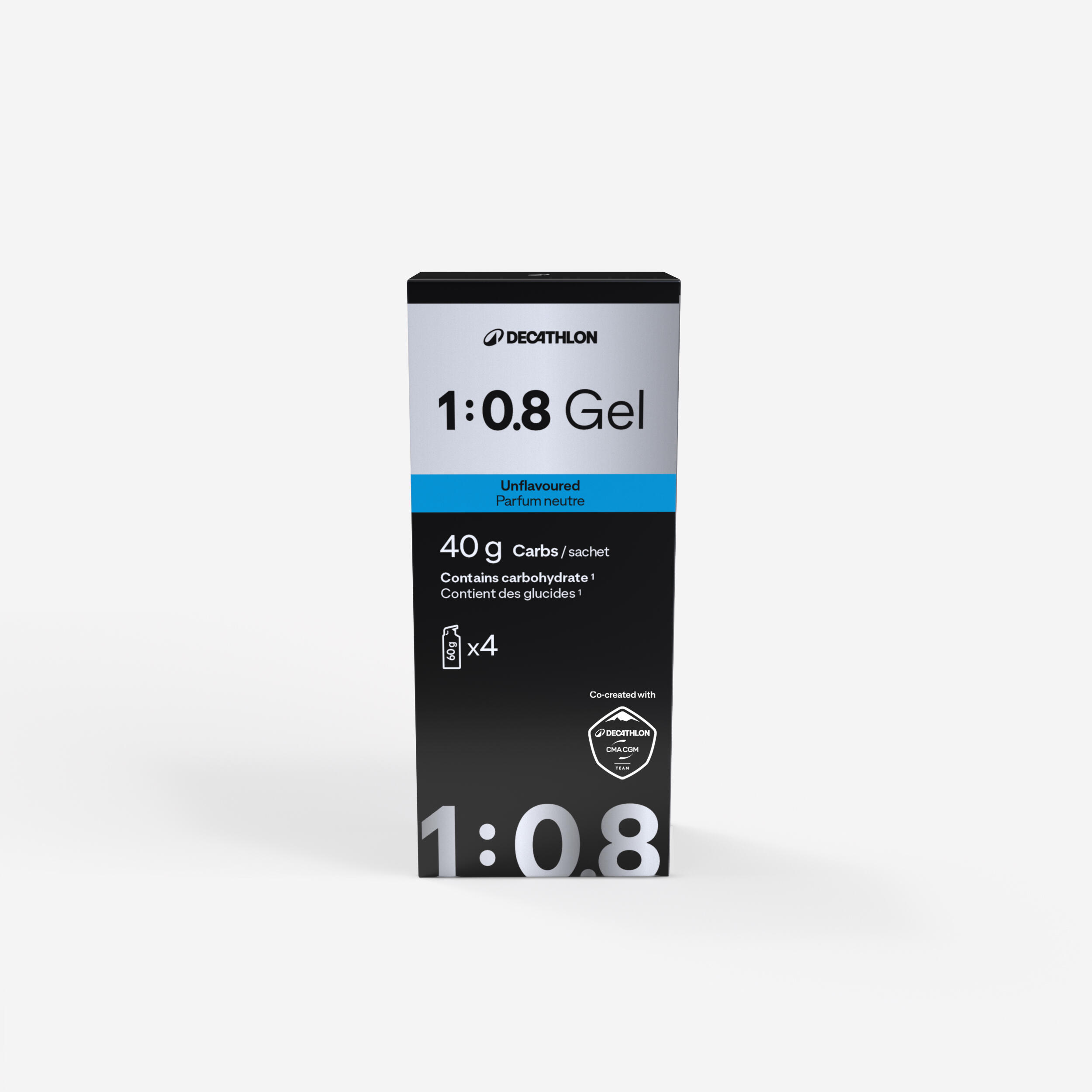
- Phase 0-6h (night/dawn): digestion still functional, real bars and gels tolerated, dual-source gels (maltodextrin + fructose) for 40-60 g carbs/h
- Phase 6-12h (Col Ferret, Courmayeur km 81): gastric fatigue begins — shift to semi-liquid formats (applesauce, rice puree), salted broth, caffeine-free easy gels
- Phase 12-18h (deep night): altitude anorexia and nocturnal fatigue hit hard — only warm broths, consommé, soups go down. Salt becomes critical
- Phase 18-20h (Chamonix finish): motivational resurgence, targeted caffeine, simple gels to power the final push
A Frontiers in Nutrition 2026 review (Frontiers Nutr 2026) highlights innovation in food formats for extreme endurance sports, including textures adapted to swallowing under effort.
Race Fueling Plan for a 20-Hour UTMB — Reference Table
| Time Window | Phase | Preferred Format | Carb Target/h | Salt/Hydration |
|---|---|---|---|---|
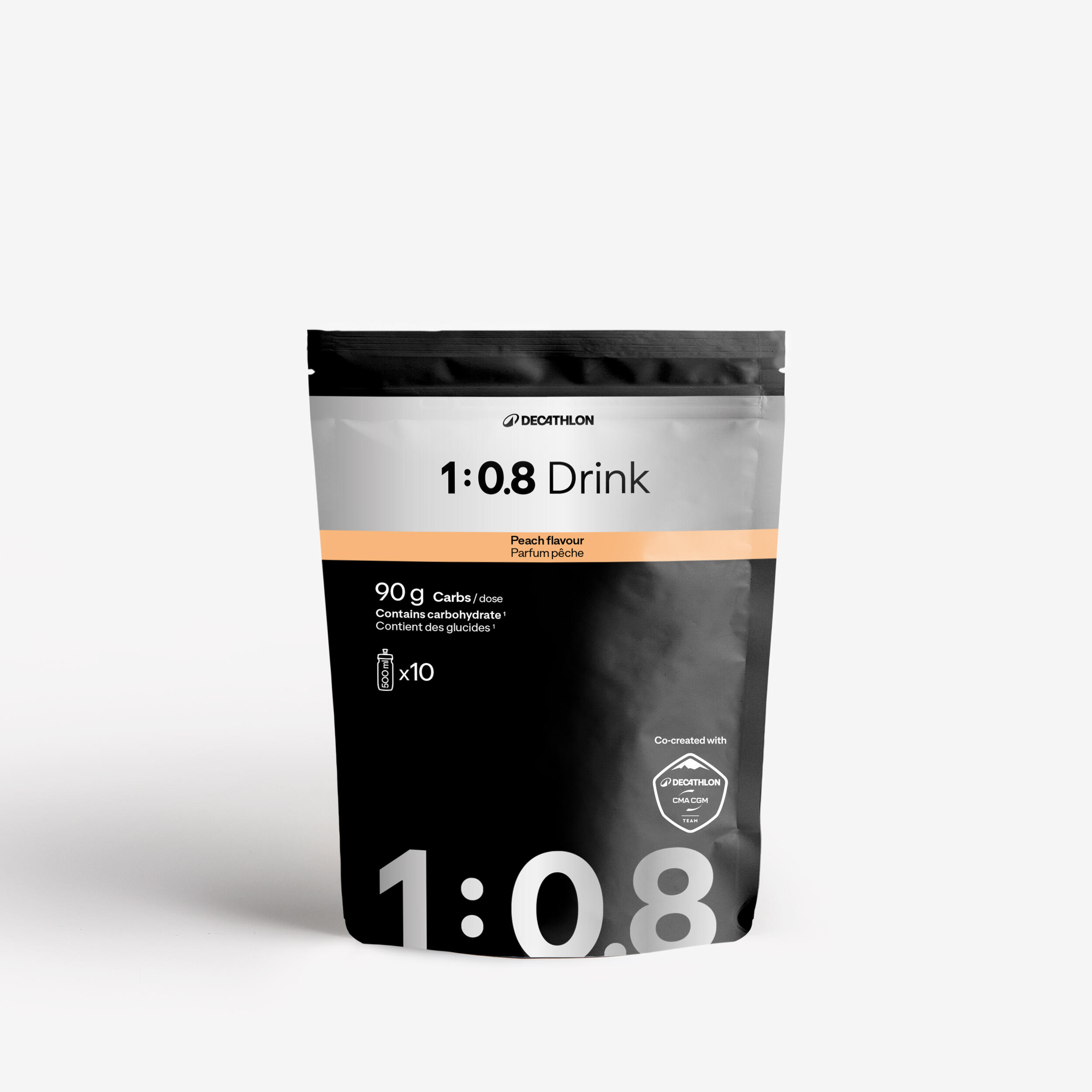
| 0-6h | Start → Champex-Lac | Gels + bars + isotonic drink | 50-60 g/h | 500-600 mg sodium/h |
| 6-12h | Champex → Courmayeur (km 81) | Puree, applesauce, easy gels, broth | 40-50 g/h | 600-800 mg sodium/h |
| 12-18h | Courmayeur → Vallorcine (km 155) | Warm soup, broth, occasional gels | 30-40 g/h | 700-900 mg sodium/h |
| 18-20h | Vallorcine → Chamonix (finish) | Caffeinated gels, cola, simple gels | 40-50 g/h | 500 mg sodium/h |
Grand Col Ferret and Courmayeur: Managing Altitude Anorexia at km 78
Grand Col Ferret (2,537 m) at km 104 and the Courmayeur base camp (km 81) are the pivotal nutritional checkpoints of UTMB. This is where altitude anorexia — an involuntary reduction of appetite linked to relative hypoxia — hits hardest.
Proven elite strategies:
- Front-load before the col: eat more than you feel you need on the descent toward Courmayeur, before your appetite drops
- Salted soup at Courmayeur: broth + salt + hot water — goes down when nothing else does
- Avoid sweet flavors at altitude: nausea is amplified by concentrated sugar in the context of mild hypoxia and cumulative gastric fatigue
- Ginger and mint: can help calm nausea — integrate them into gels or carry them in your pocket
During the 2026 UTMB, according to race data published by UltraMarathonDatabase, 1,680 runners finished out of 2,407 starters — a DNF rate that reflects, among other factors, the digestive and energy crises that no one manages perfectly without preparation.
Nocturnal Fueling: Broth, Salt, and Controlled Caffeine
The night between Grand Col Ferret and Champex-Lac (km 104 to km 128) is often the nutritional make-or-break of UTMB. Here are the nocturnal fueling principles applied by the best ultra-trail runners:
Warm broth is king: delivers sodium, warm water for thermal comfort, and amino acids if it’s a meat-based broth. Consume it at every nighttime aid station without hesitation.
Caffeine sparingly: 1.5-3 mg/kg of body weight total across the race. Too early and you crash faster; too late and you disrupt post-race recovery. The ideal windows: one dose at Courmayeur (~km 81), another at Champex-Lac (~km 128), a final one at Vallorcine (~km 155) if the finish is still far.
Salt at night: perspiration stays active even at low temperatures, especially on climbs. Hyponatremia (low sodium) is one of the main causes of DNF and medical intervention on ultras lasting over 20 hours. Target 600-900 mg of sodium per hour based on your sweat rate, via broths, salted chips, and electrolyte supplements.
Key Takeaways
- UTMB is 174 km / 9,700 m D+ — a 15,000-18,000 kcal expenditure you can never fully replace while running
- Target 40-60 g of carbs/h during fast phases, 30-40 g/h at night when digestion slows
- Grand Col Ferret (km 104) and Courmayeur (km 81) are the critical altitude anorexia points — eat before you stop wanting to
- Warm broth is the universal food of the nocturnal ultra: sodium, warm water, maximum digestive tolerance
- Use caffeine in fractioned doses (3 doses max) — never all at once in the early hours
- Plan your fueling in advance with a tool like Ograal’s module to leave nothing to chance on race day
Frequently Asked Questions
How do you manage nocturnal nausea during an ultra-trail race?
Nocturnal nausea in ultras is typically multifactorial: hypoglycemia, overly concentrated sugars, gastric fatigue, mild hypoxia. The priority sequence: stop sweet gels, switch to warm salty broth, walk for 5-10 minutes to stabilize your digestive system. Ginger (in capsule or drink form) has shown moderate antiemetic effects. If nausea persists over 30 minutes with total inability to ingest anything, it’s a serious DNF signal to take seriously.
Is it really necessary to salt heavily at night during the UTMB?
Yes — and this is often underestimated. Nocturnal perspiration remains active, especially on climbs. Hyponatremia (low sodium) is one of the top causes of DNF and medical tent visits on ultras over 20 hours. Target 600-900 mg sodium/h based on your sweat rate, via broths, salted chips, and electrolyte tablets. The symptoms of hyponatremia — swollen hands, confusion, nausea — mimic classic exhaustion and are easily confused with it.
What caffeine dose do you recommend for a 22-hour UTMB?
Target 2-3 mg/kg of body weight total across the race, split into 2-3 strategic doses. For a 65 kg athlete: 130-195 mg of total caffeine. Example: 50 mg at Courmayeur (km 81), 75 mg at Champex-Lac (km 128), 50 mg at Vallorcine (km 155). Avoid any caffeine in the first 6 hours of the race — save this tool for when you truly need it.
Sources
- iRunFar — 2026 UTMB Results, Blandine L’Hirondel wins in 21:54:49: irunfar.com/2026-utmb-results
- UltraMarathonDatabase — UTMB 2026, 174 km, 1,680 finishers out of 2,407 starters: ultramarathondatabase.com/blog/utmb-2026
- PMC — Sleep and nutritional profile of ultra-endurance athletes, Sleep Sci. 2022: PMC9670775
- Frontiers in Nutrition 2026 — Food science innovations for endurance sport: 10.3389/fnut.2026.1784740